BX Medicine
BX Medicine
BX Medicine
As consumers globally migrate towards clean-label products, synthetic chemical preservatives like BHT (butylated hydroxytoluene) and BHA (butylated hydroxyanisole) are systematically being phased out. They are being replaced by highly active herbal antioxidants. These natural bioactive compounds possess rich structures of polyphenols, flavonoids, and active glycosides, providing advanced cellular defense against oxidative stress.
Finding a reliable, large-scale manufacturer that satisfies strict pharmaceutical and functional food standards is vital. Factors such as active chemical quantification (HPLC tested), heavy metal control, and eco-sustainable supply chains distinguish top-tier manufacturing operations from local herbal processors. Let's analyze how standard extraction frameworks are shaping B2B sourcing requirements globally.
Situated in the industrial and agricultural landscape of Taizhou, China, Taizhou BX Medicine Business Co., Ltd. has established itself as an authoritative leader in the Traditional Chinese Medicine (TCM) and botanical extraction sector for over two decades. Representing the elite tier of local agricultural and forestry enterprises, we integrate botanical cultivation, deep processing, advanced standardization, and global export infrastructure under one unified organization.
Our expansive crop footprint covers a total area of 1,667 hectares, dedicated to organic and conventional herb cultivation. As a certified supplier (CU Certificate CU-812529), we provide direct sourcing, commercial inspection, customs declaration, and commercial settlement services, streamlining global procurement loops for our clients.
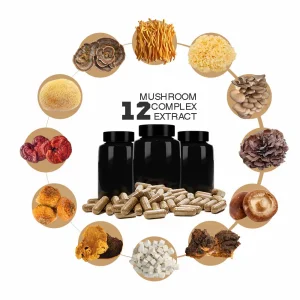
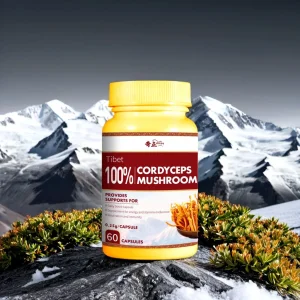
Our expertise focuses on the intensive processing of highly demanded therapeutic agents, such as:

Procurement directors in the cosmetic, dietary supplement, and pharmaceutical sectors require suppliers that meet the highest standards of safety, quality, and regulatory compliance.
B2B buyers look for standardized extracts rather than crude plant powders. Analytical methods like HPLC, GC-MS, and UV-Vis are required to verify bioactive markers, such as polyphenols, flavonoids, and active alkaloids, across different production batches.
Global regulations enforce strict limits on heavy metals (lead, arsenic, cadmium, mercury), pesticide residues (USP <561> parameters), and microbial pathogens. Top factories perform thorough testing and provide detailed Certificates of Analysis (COA).
To avoid supply chain interruptions, buyers prioritize manufacturing partners with large-scale cultivation bases and high annual capacity (hundreds of tons per year) to absorb seasonal raw material shortages.
Industrial scale and precision are key to producing uniform batches. At Taizhou BX Medicine, we integrate state-of-the-art German food production machinery. This system automates the entire processing chain: raw material feeding, precise weight measurement, custom batch mixing, film bag formation, packaging output, and automated quality control.
This high level of automation provides major benefits for international buyers:
Exporting botanical materials demands a deep understanding of local regulatory frameworks. Different jurisdictions enforce distinct quality standards for organic products, dietary ingredients, and herbal medicines.
FDA compliance, NOP (National Organic Program) certification, and compliance with DSHEA (Dietary Supplement Health and Education Act) requirements are essential. These regulations focus on raw material identity testing, heavy metal thresholds, and clean manufacturing conditions.
Compliance with EFSA standards, EU Organic Operation certificates, and strict limits on pesticide residues (under EP European Pharmacopoeia standards) are required. Our long-term exports of Linden flower to Germany (100+ tons annually) show our ability to meet these expectations consistently.
We design customized botanical tea blends, health supplement tablets, and private-label packaging options. Working closely with international experts, we create products tailored to regional regulatory guidelines and consumer preferences.
As extraction technologies evolve, the industry is transitioning from traditional solvent-based processes to cleaner, more efficient methods. These advancements improve extract purity while reducing environmental impact.
| Technology Method | Key Benefits | Primary Application Areas |
|---|---|---|
| Supercritical CO2 Extraction | Low operating temperatures preserve volatile compounds; leaves no toxic solvent residues. | Essential oils, fat-soluble vitamins, and high-purity lipids. |
| Enzyme-Assisted Extraction | Degrades plant cell walls naturally to increase active compound yields. | Polysaccharides, medicinal mushroom compounds (e.g., Cordyceps). |
| Ultrasonic-Assisted Extraction | Uses acoustic cavitation to accelerate extraction speeds and reduce energy usage. | Water-soluble polyphenols and herbal glycosides (e.g., Baicalin). |
Through ongoing refinement of these technologies, we help customers improve raw material efficiency and achieve cleaner ingredient profiles on their final labels.