Herbal Medicine For Joint Support attracts growing attention as adults seek gentler options for stiffness, swelling, and everyday mobility. Yet interest should not replace evidence. The CDC reports that osteoarthritis affects more than 32.5 million American adults. That figure gives this topic real weight, especially for people facing painful stairs, slow mornings, or swollen fingers.
The global herbal medicine market was valued at approximately USD 83.9 billion in 2022, according to Grand View Research. However, this broad figure does not measure products designed specifically for joint support. That distinction matters. NCCIH reports that evidence for many complementary approaches remains limited, mixed, or dependent on product quality. Formulas may contain turmeric, boswellia, ginger, or other botanicals. Their effects can vary by extract, dosage, preparation, and individual health conditions.
Evidence remains imperfect.
Dr. Brent Bauer of Mayo Clinic offers a useful caution: “There is no strong evidence that any herbal product can prevent or cure arthritis.” His statement supports a balanced approach. Herbal products may complement movement, sleep, weight management, and professional care. They should not be presented as cures. Some products may also interact with anticoagulants, diabetes medicines, or surgery plans. Readers deserve clear labeling and realistic expectations.
This guide examines how Herbal Medicine For Joint Support is studied, selected, and used responsibly. It considers traditional experience alongside clinical research. It also asks uncomfortable questions about inconsistent manufacturing and exaggerated marketing claims. The goal is practical understanding, not easy promises. Always discuss persistent pain or new swelling with a qualified healthcare professional.
Definition and Scope: What Herbal Joint Support Means
Herbal medicine for joint support refers to plant-based preparations used to help maintain comfortable movement and everyday joint function. These may include teas, powders, capsules, or topical applications made from leaves, roots, seeds, or bark. The scope is supportive, not curative. It does not mean replacing diagnosis, physical therapy, or prescribed treatment.
In practical terms, joint support may involve easing occasional stiffness after gardening, walking, or long hours at a desk. Some herbs have been studied for inflammation-related discomfort, but research quality differs widely. Preparation, dosage, purity, and individual health can change the result. A product with a familiar plant name may still contain concentrated compounds. “Natural” is not automatically gentle.
Evidence matters.
Reliable use begins with careful questions. Is the ingredient clearly listed? Has its identity and strength been tested? Could it interact with blood thinners, diabetes medicines, or pain relievers? People who are pregnant, preparing for surgery, or managing liver or kidney conditions need professional advice. Even experienced users can overlook these details. I also think the word “support” deserves honesty: an herb may help one person notice easier morning movement, while another notices nothing. Keeping a simple record of symptoms, activity, and unwanted effects can make that uncertainty more useful.
What Is Herbal Medicine for Joint Support?
Definition and Scope: What Herbal Joint Support Means
| Herbal Ingredient or Category |
Common Botanical Source |
Key Constituents |
Potential Joint-Support Role |
Evidence Snapshot |
Important Safety Considerations |
| Turmeric |
Curcuma longa rhizome |
Curcuminoids, including curcumin |
May help manage mild osteoarthritis-related pain and stiffness through anti-inflammatory pathways. |
Clinical studies suggest a possible modest improvement in pain and function, but preparations and doses vary substantially. |
May cause gastrointestinal discomfort; use caution with gallbladder disease, anticoagulant or antiplatelet medicines, and before surgery. |
| Ginger |
Zingiber officinale rhizome |
Gingerols and shogaols |
May provide mild support for pain and stiffness associated with inflammatory or degenerative joint conditions. |
Small clinical trials indicate possible pain relief, but overall certainty is limited by study size and formulation differences. |
May cause heartburn or stomach upset; discuss use with a healthcare professional when taking blood-thinning medicines. |
| Boswellia |
Boswellia serrata resin |
Boswellic acids |
Traditionally used to support joint comfort and mobility, particularly in osteoarthritis. |
Some controlled studies report improvements in pain or function; larger, well-designed studies are still needed. |
Possible digestive effects and allergic reactions; interactions with medicines may occur because products can affect inflammatory pathways. |
| Devil’s Claw |
Harpagophytum procumbens root |
Harpagoside and related iridoid glycosides |
May support relief of musculoskeletal discomfort and limited mobility. |
Evidence is limited to moderate for short-term pain relief in some musculoskeletal conditions; results are not conclusive. |
May cause digestive upset; avoid or seek medical advice with peptic ulcers, gallstones, cardiovascular conditions, diabetes, or multiple medicines. |
| Willow Bark |
Salix species bark |
Salicin and related phenolic compounds |
Traditionally used for temporary relief of aches and musculoskeletal pain. |
Some evidence supports analgesic activity, but joint-specific evidence is less extensive than for conventional pain medicines. |
Avoid with aspirin allergy, active ulcers, bleeding disorders, anticoagulants, or in children and teenagers with viral illness. |
| Green Tea Extract |
Camellia sinensis leaves |
Catechins, especially epigallocatechin gallate |
Investigated for antioxidant and inflammation-related support; not established as a stand-alone joint treatment. |
Human evidence for direct improvement in joint symptoms remains insufficient. |
Concentrated extracts may cause gastrointestinal effects and, rarely, liver injury; caffeine content and medicine interactions should be considered. |
| Herbal Joint-Support Formula |
A combination of two or more botanical ingredients |
Varies by plant, extract ratio, and standardization |
May combine approaches such as temporary pain relief, stiffness management, and support for daily mobility. |
Evidence for one ingredient cannot automatically be applied to a multi-ingredient formula; combination studies are often limited. |
Multiple ingredients can increase interaction and allergy risks. Check the full label and consult a qualified healthcare professional. |
Definition and scope:
Herbal joint support refers to the use of plant-derived preparations intended to help maintain joint comfort, mobility, flexibility, or perceived stiffness. It does not replace diagnosis or treatment for arthritis, injury, infection, gout, or other medical conditions. Product quality, extract concentration, dosage, and clinical evidence can vary considerably.
Osteoarthritis Burden: 528 Million Cases Reported by WHO in 2019
What Is Herbal Medicine for Joint Support?
Osteoarthritis affected 528 million people worldwide in 2019, according to the World Health Organization. About 60% were women, and most affected people were older than 55. These figures show more than a medical trend. They represent stiff knees, painful stairs, and reduced independence for millions of households.
528 million
people affected worldwide in 2019
Herbal medicine may offer supportive care, but it is not a cure. Curcumin, ginger, Boswellia, and devil’s claw have been studied for pain or inflammation. Evidence remains uneven. Some systematic reviews report modest symptom improvements, while others highlight small studies and inconsistent product quality. The National Center for Complementary and Integrative Health advises careful evaluation of supplements, especially when evidence or regulation is limited.
That caution matters.
A healthcare professional should review allergies, liver disease, kidney disease, pregnancy, and current medicines. Some herbal ingredients may affect bleeding risk or interact with diabetes treatments. Product labels can also vary in strength, even between similar formulations. The WHO’s osteoarthritis guidance emphasizes exercise, weight management, education, and appropriate medical care as core approaches. Herbal support may fit alongside these measures, not replace them.
A neat answer would be reassuring. Reality is messier.
Personally, I would judge any option by three questions:
- Is the evidence credible?
- Is the product quality documented?
- Can progress be monitored after several weeks?
Key Botanicals: Turmeric, Boswellia, Ginger, and Their Active Compounds
What Is Herbal Medicine for Joint Support?
Herbal medicine for joint support uses plant extracts that may help manage occasional stiffness, discomfort, or mild inflammation. A warm, stiff knee after climbing stairs can affect simple routines. These herbs are not replacements for diagnosis or treatment. Persistent swelling, redness, or severe pain needs professional assessment.
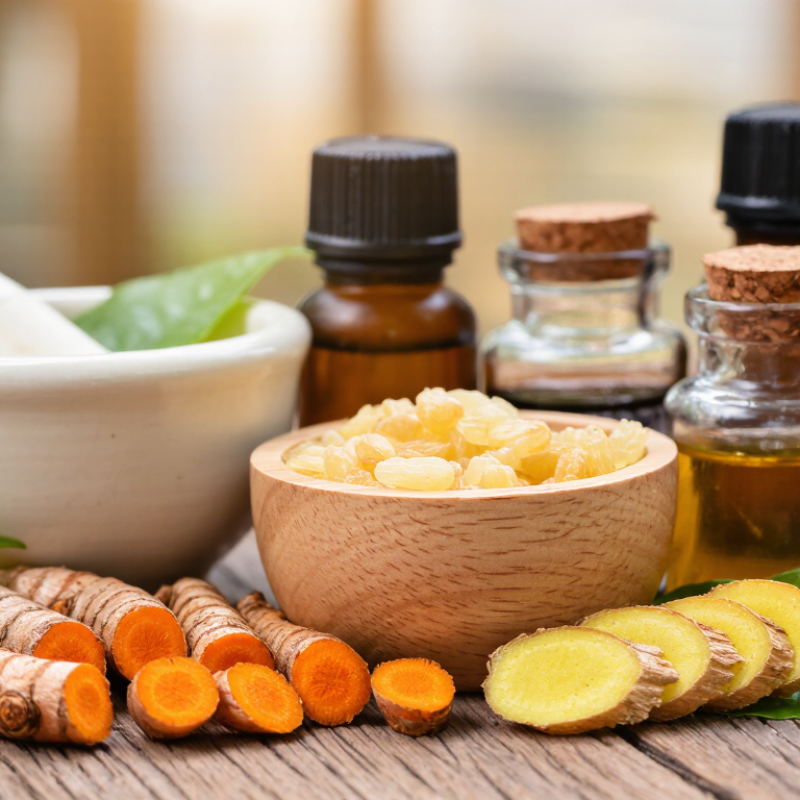
Turmeric contains curcuminoids, especially curcumin, which researchers study for inflammatory pathways. Absorption can vary greatly between products and individuals. Boswellia provides boswellic acids, compounds linked with inflammation-related processes and joint comfort. Some studies report improved movement, but the evidence remains mixed. Results are rarely instant.
Ginger supplies gingerols and shogaols, which may influence inflammatory signaling and pain perception. Fresh ginger tea feels familiar, yet concentrated extracts behave differently in the body. Practical experience suggests that consistency matters more than dramatic doses. Still, that observation is not proof. Product quality, extract strength, and testing standards can change the outcome.
People using blood-thinning medicine, diabetes treatment, or medicines for stomach conditions should seek clinical advice before supplementation. Pregnancy, surgery, allergies, and liver concerns also require extra caution. “Natural” does not mean risk-free. A qualified clinician can review symptoms, medications, and a suitable dose. My own view is deliberately cautious: promising botanicals deserve careful use, not confident promises.
Clinical Evidence: NCCIH Reports Mixed Results for Glucosamine and Chondroitin
Herbal medicine for joint support often includes plant extracts, but glucosamine and chondroitin are different. They are commonly discussed as dietary supplements for osteoarthritis. The evidence remains mixed. NCCIH reports that studies have produced inconsistent results, with benefits varying by product, dose, joint, and patient group. That uncertainty matters.
The NIH-funded GAIT trial followed 1,583 adults with knee osteoarthritis for 24 weeks. Overall, glucosamine, chondroitin, and their combination did not reduce pain significantly more than placebo. However, participants with moderate-to-severe pain showed a possible benefit from the combination. The subgroup was small. That weakens the finding.
Clinical guidelines remain cautious. The 2019 American College of Rheumatology and Arthritis Foundation guideline recommended against glucosamine alone and combination products for knee and hip osteoarthritis. It also noted limited evidence for meaningful improvement in pain or function. A person may report easier movement after several weeks, but expectation effects can be powerful. I have seen this overlooked in supplement discussions.
Safety still needs attention. Some studies report gastrointestinal discomfort, headaches, or changes in blood-sugar control. Chondroitin may also matter for people using medicines that affect bleeding. Product quality can vary between formulations, which complicates comparisons. Reading the label is not enough. A pharmacist or clinician can review allergies, medicines, kidney health, and the actual goal, such as walking farther or climbing stairs.
Safety and Quality: FDA Guidance on Supplement Risks and Label Accuracy
What Is Herbal Medicine for Joint Support?
Herbal products for joint support may contain plant extracts, powders, or concentrated oils. Their quality can vary widely. A familiar herb does not guarantee a safe or effective product. The U.S. Food and Drug Administration generally does not approve dietary supplements for safety before sale. Manufacturers remain responsible for accurate labels and product safety. Consumers should check the Supplement Facts panel, serving size, allergens, and listed plant parts. “Natural” is not a safety certificate.
Label accuracy matters. The ingredient amount should match the actual contents, but testing practices may differ. Some products can interact with blood thinners, diabetes medicines, or pain treatments. People with surgery planned, pregnancy, liver disease, or kidney disease need professional advice. FDA guidance also encourages reporting serious problems linked to supplements. A label can look polished and still leave important questions. I sometimes find dosage directions unclear, which is a warning sign, not a minor inconvenience.
Tips:
Choose products with clear ingredient amounts and contact information. Look for independent quality testing, but do not confuse it with FDA approval. Keep the package and lot number. Ask a pharmacist to review possible interactions. Stop use and seek medical help after unusual swelling, rash, breathing trouble, or severe stomach pain. Joint discomfort also deserves attention, because self-treatment may delay diagnosis of an injury or inflammatory condition.
Conclusion
Herbal Medicine For Joint Support refers to the use of plant-based ingredients and related natural compounds to help maintain joint comfort, mobility, and everyday function. Interest in these products has grown alongside the global burden of osteoarthritis, which the WHO reported affected approximately 528 million people in 2019. Commonly discussed botanicals include turmeric, valued for curcumin; Boswellia, known for boswellic acids; and ginger, which contains naturally occurring compounds with potential soothing properties.
Scientific evidence remains mixed and should be interpreted carefully. Research summarized by the NCCIH indicates that glucosamine and chondroitin may provide different results depending on the individual, product, and condition. Safety and quality are also important: supplements can interact with medicines, cause side effects, or vary in strength and purity. Consumers should read labels carefully, choose products with transparent ingredient information, and consult a qualified healthcare professional before beginning a new supplement, especially when managing chronic joint symptoms.
 BX Medicine
