BX Medicine
Traditional medicine has roots in ancient practices that promote holistic healing. This age-old approach often complements modern health solutions. Dr. Sarah Chen, an expert in integrative health, states, "The synergy between traditional medicine and modern techniques can create more effective treatment plans."
Many people today face chronic illnesses that require long-term management. Traditional medicine offers valuable insights into lifestyle changes and natural remedies that improve overall well-being. Herbal treatments, acupuncture, and mind-body practices can enhance conventional therapies. This combination addresses both symptoms and underlying causes.
Yet, the integration of these practices is not without challenges. Some may question the efficacy of traditional methods in scientific terms. This skepticism can hinder acceptance within the medical community. However, it is crucial to explore how traditional medicine supports modern health. Embracing this synergy could lead to groundbreaking advancements in patient care.
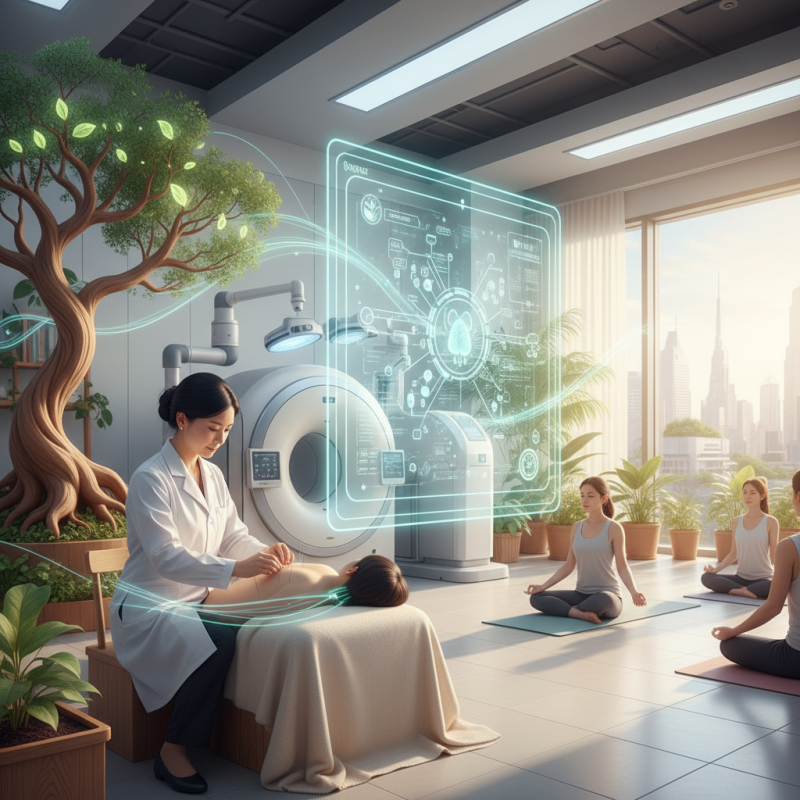
Traditional medicine plays a vital role in global health systems. It addresses health needs in diverse communities. According to the World Health Organization, over 80% of the population in some countries relies on traditional remedies. These practices often reflect cultural beliefs and local knowledge. However, their integration into modern health care needs careful assessment.
Research shows that combining traditional medicine with modern treatments can improve patient outcomes. A study published in the Journal of Ethnopharmacology indicates that community health programs using traditional remedies alongside pharmaceuticals saw a 30% increase in patient satisfaction. Yet, challenges persist. Some practitioners lack formal training, leading to variability in care quality. This inconsistency raises questions about safety and efficacy.
Training programs for traditional healers are essential. They can bridge the gap between old and new methodologies, enhancing trust in health systems. Public health officials must encourage dialogue between traditional and scientific communities. Collaboration could foster innovation, but it requires overcoming biases and skepticism. This dialogue is a starting point, but real change needs commitment from all stakeholders involved.
This chart illustrates the percentage of the population that utilizes traditional medicine across different regions of the world. It highlights the significant role traditional medicine plays in enhancing health solutions globally.
Integrating traditional practices into modern medical frameworks can offer profound benefits. Many cultures have relied on natural remedies for centuries. These treatments not only provide alternative options but also enrich the understanding of holistic health. For instance, herbal medicines often focus on boosting immunity and enhancing overall well-being. Observing these approaches can lead to innovative therapies in contemporary medicine.
Modern health systems tend to heavily rely on pharmaceuticals and technology. While effective, this focus sometimes overlooks the importance of lifestyle and community. Traditional medicine often emphasizes preventive care and the body’s natural healing abilities. This perspective encourages patients to take charge of their health. However, integration raises questions. How do we ensure safety and efficacy? Not all traditional practices have been scientifically evaluated.
The blending of these two worlds requires thoughtful dialogue. Practitioners from both fields must collaborate. Some may resist, fearing the loss of their established methods. Others argue that a more nuanced approach could enhance patient care. Finding a balance that respects tradition while embracing innovation is challenging but essential. Ultimately, the goal is to create a more comprehensive healthcare model that truly serves the needs of patients.
Traditional medicine has long played a vital role in healthcare worldwide. Recent studies reveal that nearly 80% of the global population relies on herbal and traditional remedies. In fact, a report by the World Health Organization indicates that the use of these therapies is deeply integrated into many cultures. Traditional practices not only provide alternative treatment options but also help manage conditions that modern medicine struggles to address.
Emerging evidence highlights the effectiveness of certain traditional therapies. For example, a systematic review in the Journal of Ethnopharmacology found that herbs like turmeric and ginger have anti-inflammatory properties. These natural compounds can be significant adjuncts to conventional therapies. However, integration of traditional medicine into modern healthcare is not without its challenges. There is a need for more rigorous clinical trials to validate these benefits fully.
Moreover, patients often experience a disconnect between traditional and modern medical approaches. Survey data shows that 30% of patients use both traditional and modern medicine but feel misunderstood by their healthcare providers. Bridging this gap requires an open dialogue. Healthcare professionals should consider patients' preferences for traditional therapies while encouraging evidence-based practices. Balancing both worlds could enhance patient outcomes, though it is crucial to proceed with caution.
The integration of traditional and modern health practices presents both challenges and opportunities. Many cultures have relied on traditional medicine for centuries. This wisdom can inform modern health solutions, yet differences in methodologies often create conflict. Traditional practices can sometimes lack scientific validation, which can be a barrier to acceptance.
Tips: Embrace local knowledge. Understanding cultural practices can foster collaboration. Engage practitioners to validate effective methods.
Another challenge lies in education. Many health practitioners are trained only in modern medicine. They may not understand the benefits of traditional methods. Bridging this knowledge gap is essential for effective integration. It requires openness and willingness to learn from both sides.
Tips: Encourage cross-training. Programs that expose modern health professionals to traditional practices can create understanding. Develop partnerships that respect both approaches.
Opportunities arise when both systems complement each other. Traditional medicine can offer insights on holistic care. It may enhance the psychological well-being of patients. However, there’s a need for critical evaluation of these methods. Not every traditional practice is effective or safe. The goal should always be patient well-being.
| Dimension | Traditional Medicine Contribution | Modern Medicine Approach | Opportunities | Challenges |
|---|---|---|---|---|
| Treatment Methods | Holistic approaches | Evidence-based treatments | Integrative therapies | Regulatory issues |
| Patient Engagement | Cultural relevance | Patient-centered care | Accessibility | Misconceptions about efficacy |
| Research and Development | Natural product research | Clinical trials | Innovation in therapies | Funding and resources |
| Safety and Efficacy | Long-standing practices | Standardized treatments | Cross-validation of treatments | Quality control |
| Cultural Sensitivity | Tailored patient care | Diverse medical practices | Enhanced community trust | Resistance to change |
Traditional medicine has gained recognition in modern health care. One notable example is acupuncture. Many hospitals now offer it as a complementary treatment. Patients report reduced pain and improved recovery times. However, some still question its efficacy. Research continues to explore the science behind these ancient practices.
Another case involves herbal remedies used for chronic conditions. In some communities, practitioners incorporate these remedies with conventional medications. For instance, turmeric is often paired with prescribed drugs for inflammation. While some patients find relief, there are concerns about interactions. Not all herbs are safe alongside modern medicine.
Cultural acceptance plays a crucial role in these integrations. In certain regions, trust in traditional methods remains strong. Yet, there are those who view them skeptically. Balancing both approaches requires more dialogue. The goal is to enhance patient care. Yet, contradictions between traditions and science need careful examination.
: It offers alternative treatment options and enriches understanding of holistic health.
There is a fear of losing established methods or dilution of effective treatments.
Nearly 80% of the global population relies on herbal and traditional remedies.
Many traditional practices lack rigorous clinical trials, leading to skepticism.
Open dialogue and understanding patient preferences for traditional therapies is key.
Many health practitioners only know modern medicine, limiting their understanding of traditional practices.
The focus should always be on enhancing patient outcomes and ensuring safety.
Yes, it offers insights on holistic care and may improve psychological well-being.
Not every practice is effective or safe; critical evaluation is essential.
Embracing cultural practices can foster collaboration and enhance treatment options.
The integration of traditional medicine into modern health systems presents a unique opportunity to enhance healthcare solutions worldwide. This article explores "How Traditional Medicine Supports Modern Health" by examining its significant role in global health systems and the potential benefits of blending traditional practices with contemporary medical frameworks. It highlights the importance of evidence-based research that validates the efficacy of traditional remedies, paving the way for their acceptance and utilization in modern healthcare.
However, the integration process is not without challenges, such as differing philosophical approaches and regulatory hurdles. By analyzing successful case studies, the article demonstrates that combining traditional and modern health approaches can lead to improved patient outcomes and holistic care. Ultimately, this synergy not only respects cultural practices but also enriches the overall healthcare landscape.
