 BX Medicine
BX Medicine
BX Medicine
In today's world, many people seek natural solutions for their health. This shift has led to the growing popularity of organic herbal medicine. Understanding the significance of these remedies can be transformative. This Organic Herbal Medicine Benefits Guide aims to shed light on the top advantages of embracing nature's own remedies.
Organic herbal medicine is rich in history and tradition. Each herb has unique properties that can enhance wellbeing. The healing benefits often come without the side effects of synthetic drugs. Additionally, using organic practices ensures purity and potency. However, not all herbs are created equal, and one must exercise caution.
While the benefits are promising, it's essential to approach herbal medicine with realism. Individual results can vary, and some herbs might not suit everyone. Thus, this guide invites readers to explore the potential of organic herbs, while also encouraging reflection on their own health journey.
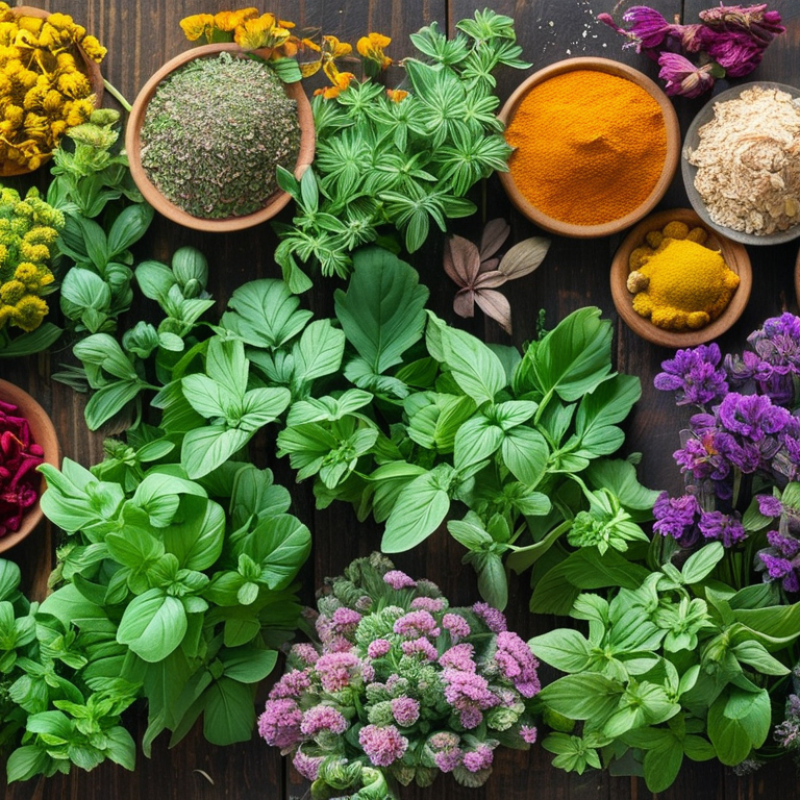
Organic herbal medicine refers to the use of plant-based remedies for healing and wellness. This approach focuses on natural ingredients, aiming to restore balance in the body. According to a report by the World Health Organization, around 80% of people in developing countries rely on traditional medicine, primarily herbal remedies. This trend highlights the importance and effectiveness of herbal practices rooted in history.
The principles of organic herbal medicine are grounded in holistic health. Practitioners consider not only the physical symptoms but also emotional and spiritual aspects. Recent research published in the Journal of Ethnopharmacology indicates that over 40% of pharmaceutical drugs are derived from plants. This statistic underscores the credibility of herbal medicine as a foundation for modern pharmacology.
While organic herbal treatments show promise, there are challenges. Quality control and standardization remain issues in herbal medicine. Inconsistent product formulations can lead to safety concerns. A study by the National Center for Complementary and Integrative Health found that some herbal products do not meet label claims. Users must approach these remedies with caution, choosing verified sources carefully.
| Benefit | Description |
|---|---|
| Natural Healing | Utilizes the body's natural ability to heal itself using plant-based remedies. |
| Fewer Side Effects | Generally considered to have fewer harmful side effects compared to synthetic drugs. |
| Holistic Approach | Focuses on treating the whole person rather than just the symptoms of a disease. |
| Sustainable Practices | Emphasizes the use of sustainable methods in cultivation and harvesting of herbs. |
| Enhanced Immunity | Many herbs are known for their properties that boost the immune system. |
| Customized Treatments | Treatments can be tailored to individual needs and conditions. |
| Rich in Nutrients | Herbs are often rich in vitamins, minerals, and antioxidants beneficial for health. |
| Emotional Balance | Some herbs help in alleviating stress and promoting mental well-being. |
| Accessibility | Herbal remedies are often more accessible and easier to obtain than conventional medications. |
| Cost-Effective | Many herbal treatments can be produced at home or sourced cheaply, reducing healthcare costs. |
: Organic herbal medicine uses plant-based remedies for healing. It focuses on natural ingredients to balance the body.
This medicine considers physical, emotional, and spiritual aspects. It aims to enhance overall well-being through natural solutions.
Yes, they can uplift mood and support natural body functions. Some herbs, like chamomile, can reduce anxiety and improve sleep.
Always research herbs. Some may interact with medications. Consult healthcare professionals to ensure safety.
Inconsistent formulations can lead to safety concerns. Some products may not meet label claims, creating uncertainty.
No, reactions vary by individual health conditions and lifestyles. What works for one person may not work for another.
Begin with small doses. Monitor your body's reactions and document any changes to identify effective herbs.
Many users report fewer side effects compared to synthetic drugs. However, effects can still vary among individuals.
Being intentional while using herbs enhances their effects. Understanding their properties is vital to successful use.
They guide dosages and potential herb interactions. Their expertise helps ensure a safer herbal treatment experience.
Organic Herbal Medicine Benefits Guide offers valuable insights into the principles and advantages of using organic herbal remedies. This holistic approach emphasizes the interconnectedness of the body, mind, and environment, promoting overall well-being. One key benefit is its ability to enhance immune function through natural ingredients, providing safe alternatives to conventional treatments.
Moreover, this guide highlights the sustainability of organic practices, which not only support personal health but also contribute to ecological balance. By comparing organic herbal medicine with standard medical treatments, readers can gain a deeper understanding of its unique benefits. Embracing organic herbal medicine can lead to a healthier lifestyle, underscoring the importance of natural remedies in modern health care.
