BX Medicine
In today's global marketplace, the demand for herbal products continues to rise rapidly. However, with this surge in popularity comes a challenge: how to identify authentic herbal products. According to Dr. Robert Smith, a renowned herbal medicine expert, "Trust is essential, but knowledge is your best defense." This statement highlights the importance of understanding the qualities that make herbal products genuine.
Many buyers face difficulties distinguishing between effective herbal remedies and those that are falsely marketed. Authentic products often come with clear labeling, scientific backing, and reputable sources. Buyers should learn to critically evaluate these factors. For instance, examining the origin of the herbs and the methods used in production can provide vital clues.
Yet, a significant awareness gap remains. Not all consumers are equipped with the knowledge needed to make informed choices. This gap can lead to the purchase of subpar products, risking both health and investment. Therefore, learning how to identify authentic herbal products is not just beneficial; it is essential for anyone pursuing quality in their health decisions.
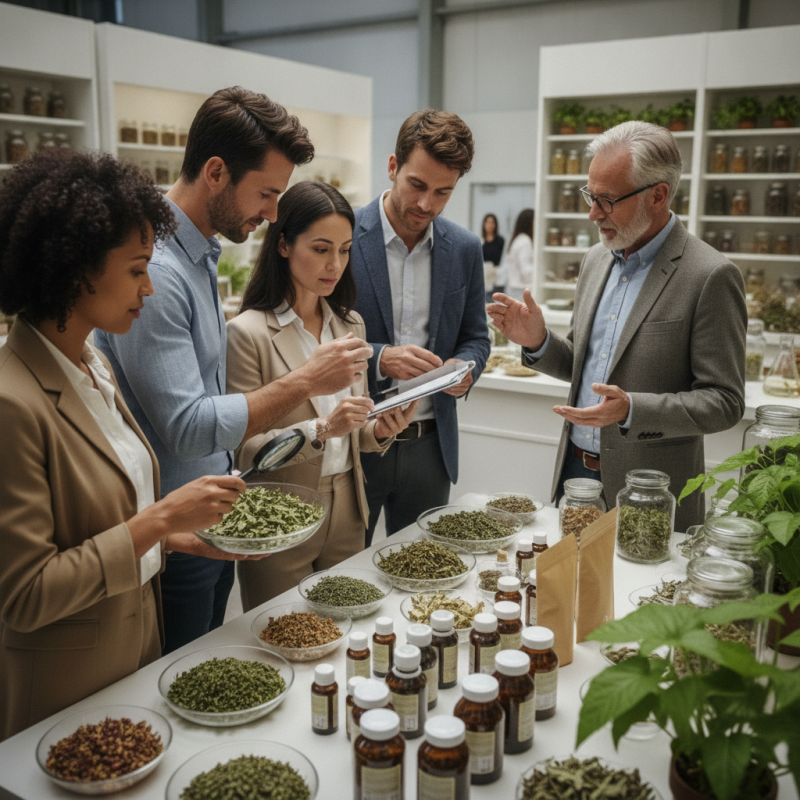
The global herbal product market is expansive but faces notable challenges. Variability in sourcing is a major issue. Different regions offer different quality standards. For example, plants grown in nutrient-rich soil tend to yield better extracts. However, not all suppliers adhere to strict agricultural practices. This inconsistency raises questions about the authenticity of herbal products.
Another challenge is the lack of standardization. Different countries have diverse regulatory frameworks. This can lead to confusion for buyers trying to ensure product quality. For instance, a herbal product certified in one region might not meet the same criteria elsewhere. This makes it essential for buyers to research thoroughly. Understanding sourcing processes and manufacturing techniques is crucial for making informed choices.
Moreover, educating consumers is vital. Many buyers aren't aware of the differences between herbal products. Often, they might rely on labels that can be misleading. Fake claims can lead to mistrust and poor purchasing decisions. Encouraging transparency and promoting educational initiatives can help buyers navigate the complexities of the herbal market more effectively.
When seeking authentic herbal products, buyers should know key characteristics that indicate quality. Look for clear labeling that includes the botanical names of the herbs. It’s crucial to see that the packaging includes detailed ingredient lists. Transparency is a sign of reliability. Certificates of analysis can also enhance trust. These documents demonstrate that products have been tested for purity and potency.
Another important aspect is the sourcing of ingredients. Authentic herbal products should specify where the herbs are sourced from. Ethical sourcing is essential. Ingredients harvested in sustainable ways are more likely to be genuine. Additionally, checking for third-party testing can validate the product's authenticity.
Buyers may also consider the appearance and aroma of the herbs. Authentic products often have vibrant colors and distinct smells. If something looks dull or lacks scent, it might be a red flag. Understanding these characteristics can empower buyers, but it also requires a bit of experience. Exploring different products over time helps build that knowledge.
Verifying the source of herbal ingredients is vital for global buyers. One effective method is tracing the supply chain. Look for producers who are transparent about their sourcing practices. Authentic products often come with detailed information about their origin. This can include farm locations, harvest times, and production methods. Evaluating certification documents can also provide insight. These documents may include organic certifications or international quality standards.
Another method involves examining the appearance and smell of the herbs. Authentic herbs maintain distinct characteristics. They should match descriptions found in reputable herbal guides. If something seems off, investigate further. Engage with suppliers and ask for testing results or lab analyses. Authentic products often undergo rigorous testing for purity and potency.
Lastly, establishing relationships with trusted suppliers is crucial. This can help in gaining insights into the quality of their products. However, be cautious; not all certifications guarantee quality. Always strive for continuous learning. Mistakes can happen, and it’s important to recognize that due diligence is essential. Identifying authentic herbal products requires diligence and a keen eye for detail.
| Herb Name | Verification Method | Source Region | Harvest Type | Certification |
|---|---|---|---|---|
| Ashwagandha | DNA Barcoding | India | Wildcrafted | USDA Organic |
| Ginseng | Chemical Profiling | Korea | Cultivated | KOSHER |
| Turmeric | Ethnobotanical Research | India | Wildcrafted | Non-GMO Project Verified |
| Echinacea | HPLC Analysis | North America | Cultivated | Certified Sustainable |
| Moringa | Origin Traceability | India | Wildcrafted | Fair Trade Certified |
To ensure the authenticity of herbal products, understanding regulatory standards and certifications is crucial. Different countries have varying regulations governing herbal supplements. Trustworthy certifications often reflect a product’s adherence to these standards. For example, certifications may include Good Manufacturing Practice (GMP) and organic certifications. These mark a commitment to quality.
Another important aspect is third-party testing. This independent verification helps confirm the accuracy of labeling. It assures consumers that the ingredients listed are true to what is in the product. Each certification and standard comes with its unique requirements and expectations. Navigating these can be challenging, especially for new buyers.
Buyers should critically evaluate product labels. Look for transparency in sourcing and production practices. Recall incidents in the past when some brands lacked complete disclosure, leading to mistrust. Verifying claims through recognized databases can enhance confidence. While certifications provide guidelines, the absence of a universally recognized standard can lead to confusion. Always seek updated information and expert insights when selecting herbal products.
When delving into the herbal industry, selecting trusted suppliers is crucial. The integrity of your products hinges on reliable sourcing. Many suppliers claim to offer authentic herbal products, but not all can be trusted. It's essential to evaluate their practices thoroughly.
Look for suppliers with transparent sourcing practices. Request clear information on where and how their herbs are sourced. Authentic suppliers often cooperate with local communities and prioritize sustainability. Additionally, consider third-party testing for purity and potency. Lab results can reveal much about a product’s quality.
Assess a supplier's certifications and industry affiliations. Recognized certifications demonstrate a commitment to maintaining standards. However, be cautious; some certifications can be misleading. A personal visit to the supplier’s facility can provide insight into their operations. Engaging with them directly builds a relationship rooted in trust. Always be prepared to ask tough questions about their practices. This proactive approach may uncover areas that demand improvement.
: The main challenges include variability in sourcing and a lack of standardization across regions.
Sourcing affects quality. Plants from nutrient-rich soil yield better extracts than those from poorer conditions.
Each country has its own regulations. This can confuse buyers regarding quality and compliance with standards.
Labels can be misleading. Buyers must critically evaluate claims and seek transparency in sourcing and production.
Third-party testing verifies ingredient accuracy. It assures consumers that what’s on the label matches the product inside.
Researching certifications and sourcing practices can enhance understanding. Transparency encourages better purchasing decisions.
Buyers should seek suppliers with transparent practices and reliable certifications. Relationships based on trust are vital.
Not all certifications guarantee quality. Some may be misleading, so verifying their credibility is essential.
Assessing lab results and engaging directly with suppliers can reveal important insights about product integrity.
Fake claims and lack of disclosure can create mistrust. Buyers need to stay informed and verify claims regularly.
In the pursuit of high-quality herbal products, understanding how to identify authentic herbal products is essential for global buyers. The global herbal product market faces challenges, including adulteration and lack of transparency. Authentic herbal products typically exhibit key characteristics such as proper labeling, sourcing transparency, and compliance with regulatory standards.
To ensure authenticity, buyers should employ various methods to verify the source of herbal ingredients, including asking for certificates of analysis and traceability documents. Additionally, recognizing reputable regulatory standards and certifications can further validate the quality of these products. Finally, selecting trusted suppliers in the herbal industry involves thorough research and recommendations, helping buyers make informed decisions and ensuring the integrity of their herbal choices.
