How to Use Herbal Medicine for Skin Care Routines?

Time:2026-09-08 Author:Liam
0%

Herbal Medicine For Skin Care Routines is attracting attention among people seeking gentler, plant-based approaches. However, “natural” does not always mean harmless. Dermatologist Dr. Hadley King has stated, “Natural does not automatically mean safe.” That reminder should guide every botanical skincare decision.

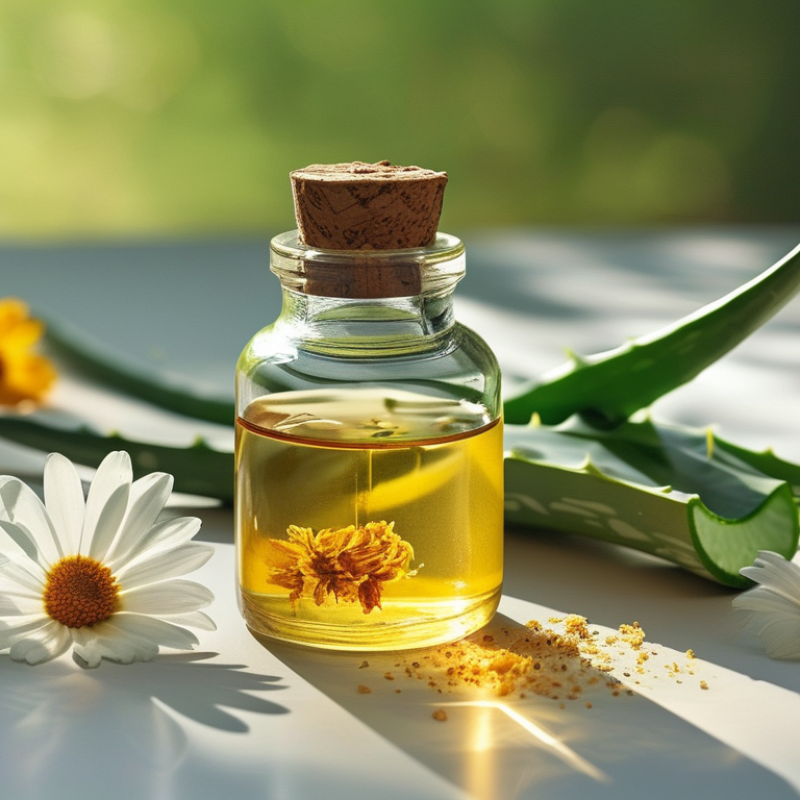
A practical routine might begin with a mild cleanser, followed by a carefully selected herbal preparation. Aloe vera gel can provide lightweight moisture, while calendula is often used in soothing formulations. Chamomile may feel comforting on sensitive-looking skin. Still, the plant source, extraction method, concentration, and preservation system matter greatly. A product can look simple in a glass jar, yet contain allergens or unstable ingredients.

Patch testing is essential. Apply a small amount behind the ear or on the inner arm, then observe the area for twenty-four hours. Stop immediately if burning, swelling, itching, or persistent redness appears. Essential oils require particular caution because their fragrance compounds may irritate reactive skin. They should never be treated as automatically safe substitutes for medical care.

Reliable Herbal Medicine For Skin Care Routines should combine traditional knowledge with current dermatological evidence. Check ingredient labels, manufacturing standards, expiry dates, and credible professional guidance. Be skeptical of dramatic promises. Skin is individual.

Sometimes, less works better.

This approach is not perfect. Research on many herbs remains limited, and personal results can vary. A qualified dermatologist or healthcare professional can help when acne, eczema, pigmentation, or unexplained irritation continues. Used thoughtfully, herbal skincare can become a measured ritual rather than a risky experiment.
How to Use Herbal Medicine for Skin Care Routines?

Understanding Herbal Ingredients for Skin Care

Herbal ingredients can make a skin care routine feel simple, but “natural” does not always mean gentle. Understanding each plant matters more than following a popular trend. Aloe vera may provide light hydration, while green tea contains compounds studied for antioxidant and soothing effects. Chamomile and calendula are often used for comfort, yet sensitive skin can react to them. Evidence also varies between laboratory studies and real-world skin results.

Read the ingredient list carefully. Extract strength, preparation method, and added fragrance can change how a product behaves. Essential oils deserve extra caution, especially citrus oils, which may increase sun sensitivity. Apply a small amount behind the ear or on the inner arm for two days. Watch for redness, itching, burning, or swelling. Stop immediately if these appear.

Keep the routine modest. A gentle cleanser, one herbal product, and sunscreen are usually easier to assess than five new ingredients. Do not apply homemade infusions to broken skin, because contamination is possible. People with eczema, allergies, pregnancy-related concerns, or ongoing medication use should ask a qualified healthcare professional. I once viewed plant-based care as automatically safer; that assumption was too simple. The plant, dose, skin condition, and preparation all matter. Less can be wiser.

Choosing Herbs According to Different Skin Types

Choosing herbs by skin type is safer than copying a popular remedy. The World Health Organization reported in 2019 that 170 of 194 member states use traditional medicine. That figure shows widespread practice, not proof of every herb’s effectiveness.

Oily skin may tolerate diluted green tea or witch hazel preparations, but alcohol-heavy formulas can increase irritation. Use a light, water-based application on the forehead and nose. Dry skin may respond better to aloe gel or oat extracts, followed by a plain moisturizer. Herbal oils can feel comforting, yet they may trap heat or trigger sensitivity. Combination skin needs separate care: apply lighter products to oily areas and richer moisture to dry cheeks.

Sensitive skin requires the most restraint. Chamomile sounds gentle, but its plant compounds can cause reactions, especially in people sensitive to related flowers. The American Academy of Dermatology recommends testing a new product on a small area twice daily for seven to ten days. Stop when burning, swelling, or persistent redness appears. I once assumed “natural” meant harmless; that was careless. Patch testing is not perfect, but skipping it is worse. Avoid applying herbal mixtures to broken skin, and seek professional advice for persistent acne, eczema, or unexplained rashes. Evidence remains uneven, so a simple routine often beats an ambitious one.

Preparing Herbal Treatments Safely at Home

Safe herbal skin care starts with identification, cleanliness, and restraint. Choose one known herb, not a mixed handful. Fresh leaves should look healthy, without mold, insects, or chemical residue. Wash them gently, then dry them completely before preparation. Moisture can encourage microbial growth.

Use clean glassware, freshly boiled water, and small batches. A simple infusion can be made by steeping dried herbs in hot water for five to ten minutes. Let it cool, strain it carefully, and apply it with clean cotton. Do not store homemade preparations for long. Refrigerate them in a sealed container and discard them within 24 hours. Smell is not a reliable safety test. Contamination may be invisible.

Patch-test the cooled preparation on a small area near the elbow. Wait 24 hours before using it on the face. Stop immediately if burning, swelling, hives, or persistent redness appears. Avoid broken skin and the eye area. Some herbs may interact with medicines or trigger sensitivity during pregnancy, so professional advice matters. A dermatologist or qualified healthcare practitioner can help assess risks, especially with eczema, acne, or recurring rashes. I still find homemade care easy to overestimate; “natural” does not mean gentle, and a soothing result today may not prove long-term safety.

Building a Step-by-Step Herbal Skin Care Routine

A reliable herbal skin care routine should be simple, measured, and easy to observe. Grand View Research projects the natural cosmetics market to grow at an 8.9% CAGR from 2023 to 2030. That growth reflects interest, not proof of safety. “Natural” does not automatically mean gentle.

Start with a mild, fragrance-free cleanser each evening. Pat your face dry, leaving slight moisture. Apply a diluted herbal preparation, such as calendula or green tea extract, if its ingredients are clearly listed. Use clean fingertips and avoid the eye area. Finish with a non-comedogenic moisturizer. In the morning, add broad-spectrum sunscreen. The herbal step is optional.

Patch test for 24 to 48 hours before facial use. Stop if burning, swelling, or persistent redness appears. The European Medicines Agency notes that botanical products can cause allergic reactions, especially in sensitive users. A 2023 Global Wellness Institute report also identifies personalized, preventive care as a major wellness trend. Still, personalization needs evidence. My own reflection is simple: adding several herbs at once makes irritation difficult to identify. Change one product weekly. Keep a short log of dryness, itching, and breakouts. Consult a dermatologist for eczema, rosacea, pregnancy-related concerns, or worsening symptoms.

How to Use Herbal Medicine for Skin Care Routines?

Building a step-by-step herbal skin care routine helps keep product use simple and consistent. Apply products from the lightest texture to the heaviest, and use sunscreen as the final morning step.

Routine guidance: Cleanse first, apply a botanical treatment next, moisturize to support the skin barrier, and finish with broad-spectrum sunscreen in the morning. Patch-test new herbal products before regular use and stop if irritation occurs.

Managing Risks, Allergies, and Treatment Results

Herbal ingredients can make a routine feel gentle, but “natural” does not mean risk-free. A plant extract may contain fragrance compounds, resins, or preservatives that irritate sensitive skin. In practical skin-care work, I treat every new preparation as an active product. Apply a small amount behind the ear or on the inner forearm for two days. Do not test several products together. Otherwise, the trigger becomes difficult to identify. Keep the formula away from broken skin and the eyes.

Watch for burning, swelling, hives, persistent itching, or worsening redness. Stop use immediately if these appear, and rinse with lukewarm water. Breathing trouble or facial swelling needs urgent medical attention. People with eczema, asthma, known plant allergies, or very reactive skin should seek professional advice before experimenting. A dermatologist can review the ingredient list and distinguish irritation from allergic contact dermatitis. That distinction matters. One may fade quickly; the other can recur after tiny exposures.

Treatment results also require honest tracking. Take photographs in the same light every week, and record dryness, sun exposure, and other products. Some herbal preparations have limited clinical evidence, and visible changes may take weeks. Patch testing cannot guarantee safety everywhere. I once underestimated how strongly a “mild” botanical could react on dry skin. That mistake reinforced the value of slower changes. Use one new ingredient at a time, protect the skin from sunlight, and reassess if discomfort continues.

FAQS

: How should herbs be chosen for oily skin?

: Choose diluted, water-based preparations. Green tea or witch hazel may suit some people. Use them lightly on the forehead and nose. Avoid alcohol-heavy formulas. They can increase irritation.

What may help dry skin?

Aloe gel or oat extracts may feel soothing. Apply a plain moisturizer afterward. Herbal oils can feel comforting. They may also trap heat or trigger sensitivity.

How should combination skin be treated?

Use lighter products on oily areas. Apply richer moisture to dry cheeks. One formula may not suit your whole face.

What should sensitive skin users remember?

Use strong restraint. Chamomile is not harmless for everyone. Related flower sensitivities may cause reactions. Stop after burning, swelling, or lasting redness.

How can a new herbal product be patch tested?

Apply a small amount to a limited skin area. Observe it for at least 24 to 48 hours. Longer observation may reveal delayed reactions. Testing is not perfect.

What is a simple herbal skincare routine?

Cleanse gently in the evening with a fragrance-free product. Pat your face dry, leaving slight moisture. Apply one clearly labeled, diluted herbal preparation. Avoid the eye area. Finish with a non-comedogenic moisturizer.

Is the herbal step necessary every day?

No. It is optional. A simple routine may be safer than adding many ingredients. Use broad-spectrum sunscreen in the morning.

Why should only one herbal product be changed at a time?

Several new products can make irritation difficult to identify. Change one product weekly. Keep a short log. Record dryness, itching, redness, and breakouts. I once assumed natural meant harmless. That was careless.

Conclusion

Herbal Medicine For Skin Care Routines can offer a gentle, plant-based approach to supporting healthy-looking skin when used thoughtfully. Start by learning about common herbal ingredients and their traditional purposes, then choose options that match your skin type, whether it is dry, oily, sensitive, or combination. A simple routine may include cleansing, applying a carefully prepared herbal treatment, moisturizing, and using sun protection. Herbal preparations made at home should use clean equipment, properly identified ingredients, and safe dilution methods to reduce the risk of contamination or irritation.

Because natural ingredients can still cause allergies, dryness, or skin reactions, perform a patch test before regular use and stop immediately if discomfort occurs. Avoid applying unfamiliar herbs to damaged skin, keep preparations stored safely, and seek professional advice for persistent or serious concerns. Track how your skin responds over time, adjust the routine gradually, and focus on consistency rather than expecting instant results.

Liam

Liam

Liam is a dedicated marketing professional with a profound expertise in the industry, where he excels at highlighting the unique advantages of our core products. With a keen understanding of market trends and consumer needs, Liam frequently updates our company’s professional blog, providing......