China Top 10 Herbal Suppliers How to Choose Quality Products

Time:2026-11-09 Author:Sienna
0%

Herbal ingredients now appear in teas, capsules, extracts, and everyday wellness products. The market is growing, but growth alone does not prove quality. Grand View Research estimated the global herbal supplements market at USD 49.3 billion in 2023, with continued growth projected through 2030. Meanwhile, the World Health Organization reported that 170 of its Member States had acknowledged using traditional and complementary medicine. These figures show broad interest, not a guarantee that every supplier follows strong quality practices.

For buyers comparing China’s herbal suppliers, the important details are often less visible than the product name. A reliable supplier should explain the botanical species, plant part, country of origin, processing method, and batch traceability. Ask for recent certificates of analysis and check whether testing covers identity, active constituents, heavy metals, pesticide residues, and microbial contamination. Look for clear quality systems, such as documented good manufacturing practices, and verify that certificates match the actual facility and product. A polished website is not evidence.

How To Choose Quality Herbal Products begins with evidence, not promises. Compare suppliers using the same checklist, request representative samples, and examine packaging, aroma, color, and consistency. Then confirm those observations with independent laboratory results. This guide introduces ten China-based herbal suppliers and the questions buyers can use to assess them. Rankings need caution; supplier capabilities can change, and a strong sample does not prove every batch is consistent. That part is easy to overlook. It matters.
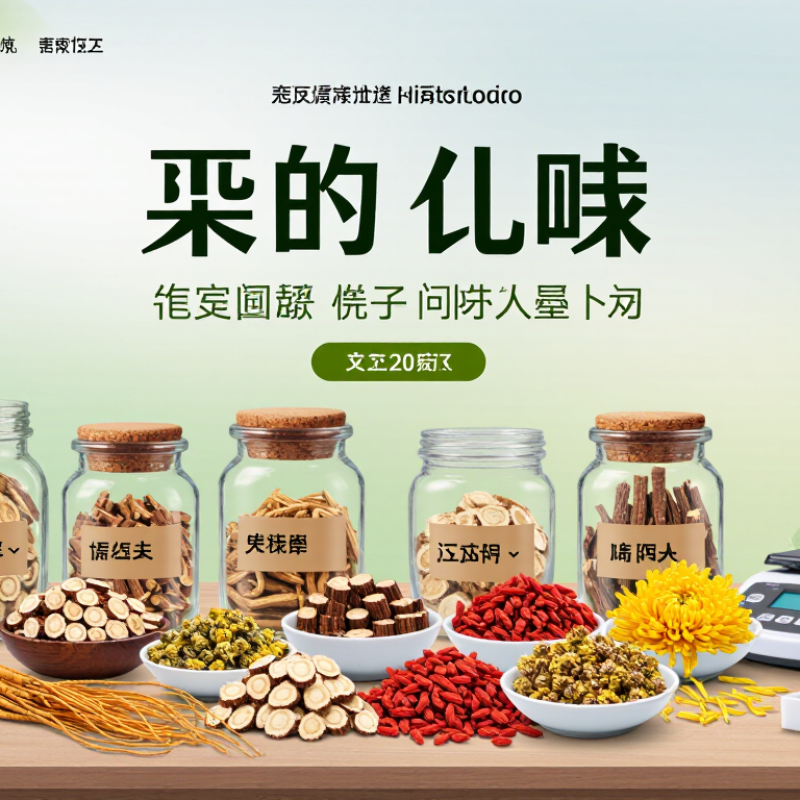
China Top 10 Herbal Suppliers How to Choose Quality Products

Overview of China’s Herbal Supply Industry

China’s herbal supply industry spans cultivation, collection, processing, testing, and wholesale distribution. It is geographically diverse: growers often cultivate particular species in regions suited to their climate and soil. The China Pharmacopoeia Commission’s 2020 edition contains 2,711 monographs, reflecting the breadth of medicines and preparations covered by national standards. That is substantial. Yet a listed standard does not prove every batch meets it. Buyers still need batch-level evidence.

Supply quality depends on details that can be checked. Ask for the botanical identity, plant part, harvest period, origin, processing method, and test results. For example, roots should arrive clean and dry, with a consistent cut and no musty smell. Laboratory reports should identify the tested batch and specify relevant tests, such as identity, moisture, and contaminant limits. The World Health Organization’s Good Agricultural and Collection Practices guidance also highlights traceability from cultivation or collection through handling. In practice, records may be incomplete, especially when materials pass through several traders. That deserves scrutiny. A supplier’s documentation, sampling process, and willingness to explain variation are useful indicators—but none replaces independent verification.

China’s Herbal Supply Industry: Six Quality Checks for Buyers

Use these practical checks when evaluating herbal suppliers: confirm licensing, botanical identity, batch-specific certificates of analysis, contaminant testing, pesticide-residue controls, and traceability. Each bar represents one checklist area—not a market statistic or a ranking of suppliers. Required tests and limits vary by herb, product, and intended use.

Profiles of Ten Notable Chinese Herbal Suppliers

China’s herbal supply network includes growers, processors, and specialist traders, each with a different strength. These ten profiles describe supplier types, not endorsements of particular companies. A cultivation cooperative may document planting areas and harvest dates. A root-focused processor may sort slices by size and dryness. A leaf-and-flower supplier can show how delicate materials are protected from heat and crushing. A regional sourcing house may connect buyers with several growing areas, though its records deserve close review.

Some suppliers specialize in cleaned, cut herbs and can provide batch details alongside moisture and identity test results. An extraction-focused manufacturer may offer standardized materials, but buyers should check specifications and independent testing. A traceability-led supplier can link lots to farms or collection zones. An export-oriented trader may prepare clear product documents, while a smaller family-run operator may know local harvest practices unusually well. Useful details matter.

The tenth profile is the small-batch specialist, whose limited runs can offer careful sorting but inconsistent availability. Ask each supplier for a recent sample, a matching batch record, and relevant test reports. Check that names, dates, and lot numbers agree across documents. I would not treat a polished catalog as proof. Certificates help, but they do not answer every question; even careful buyers can overlook how storage conditions change a batch.

Common Herbal Products and Quality Standards

Common herbal products include dried roots, leaves, berries, powders, and extracts. In Chinese supply chains, buyers may encounter ginseng, goji berry, ginger, and astragalus. Each form needs checks suited to its risks. A whole root can be inspected visually; a fine powder cannot be verified by appearance alone. Looks clean. It may still be misidentified.

Quality begins with botanical identity, traceable origin, and controlled handling. The World Health Organization’s Good Agricultural and Collection Practices guidance covers cultivation, harvesting, and primary processing of medicinal plants. Its quality-control methods also support testing identity, purity, and contamination. Ask suppliers for batch-specific certificates of analysis, not generic sample documents. Relevant checks include botanical identification, microbial limits, pesticide residues, heavy metals, and moisture. For extracts, request the plant part, extraction solvent, and declared extract ratio. These details make comparisons more meaningful.

Market growth makes careful verification more important, not less. The American Botanical Council’s HerbalGram market report recorded US herbal dietary supplement sales of about $12.6 billion in 2023, up 4.4% from 2022. That figure measures sales, not product quality. A certificate can also be incomplete or poorly matched to the batch. Confirm that an independent laboratory used suitable methods, and review results against applicable specifications. I would still ask how samples were collected; testing a convenient handful may miss variation across a shipment.

How to Verify Supplier Credentials and Product Quality

When reviewing herbal suppliers, begin with documents that can be checked, not polished sales claims. Confirm the legal business name, operating address, and relevant manufacturing or quality-system certificates. Check that each certificate is current and covers the actual site and product category. A certificate is useful, but it does not prove every batch is sound.

Ask for a batch-specific certificate of analysis and compare its lot number with the sample label. It should identify the botanical species and plant part, test methods, and results for identity, strength, moisture, and relevant contaminants. Good detail matters. If results come from an outside laboratory, verify the laboratory’s qualifications and whether its methods suit the material. Request traceability records linking the harvest or source lot to processing and shipment. Keep the answers.

A small trial order can reveal gaps that paperwork misses. Inspect the seal, label, appearance, and aroma, then arrange independent testing when risk or volume justifies it. Differences in color may be natural, but unexplained variation deserves questions. I would not treat one clean report as a guarantee; testing has limits, and records can be incomplete. That part is easy to overlook. Compare suppliers using the same criteria, and note vague replies or changing specifications before placing a larger order.

How to Compare Suppliers and Choose the Right Partner

Choosing among China’s herbal suppliers requires more than comparing prices and catalogues. WHO’s 2019 Global Report on Traditional and Complementary Medicine found that 170 of 194 Member States reported using these practices. That figure shows broad use, not proof of any product’s quality or effectiveness. Compare suppliers using the same written specifications.

Ask for the Latin botanical name, plant part, growing region, harvest period, and lot-specific certificate of analysis. Check whether test results cover identity, moisture, heavy metals, pesticide residues, and microbial limits. For powdered herbs, request a chromatographic fingerprint, such as HPLC, where appropriate. Look closer. A polished certificate can still miss variation between harvests, so verify selected batches through an independent laboratory.

Traceability should connect the delivered lot to its source and processing records. Review audit findings, sample consistency, packaging, lead times, and how the supplier handles failed tests or complaints. WHO’s quality-control guidance for herbal materials can help buyers frame these checks. Ask for records, not assurances. One audit cannot represent every season, and I would treat unusually low prices as a prompt to investigate, not as proof of poor quality. Compare evidence, responsiveness, and corrective actions before choosing a long-term partner.

China Top 10 Herbal Suppliers: How to Choose Quality Products — How to Compare Suppliers and Choose the Right Partner

How to use this table: This is a supplier-evaluation framework, not a verified ranking of named companies. Requirements vary by herb, product form, intended use, and destination market. Confirm applicable regulations and test specifications for each product and shipment.

No. Comparison factor What to request How to verify it Positive selection signal
1 Botanical identity Scientific Latin name, plant part, processing method, and any relevant variety or specification. Compare the product specification, label, sample, and batch documents. Where appropriate, request identity testing such as macroscopic, microscopic, or chromatographic examination. The supplier identifies the herb precisely and explains how it distinguishes similar species or plant parts.
2 Origin and traceability Harvest or cultivation area, harvest period, processing location, and lot or batch identification. Check that the batch number links the product to purchasing, processing, testing, and shipment records. Ask for traceability documents relevant to the product. Records are consistent across the specification, certificate of analysis, packaging, and shipping documents.
3 Quality-management system Details of the quality system and any relevant certifications or audit reports. Verify certificate validity, issuing body, site, and scope. A certificate should cover the actual facility and activity; certification alone does not prove that every batch meets specification. The supplier provides current, verifiable documents and describes how nonconforming materials are controlled.
4 Batch testing and certificate of analysis A recent, batch-specific certificate of analysis (COA) with test methods, results, units, and acceptance limits. Confirm that the COA matches the offered product and lot. Ask whether testing is performed in-house or by an independent laboratory, and review the laboratory’s relevant scope. Results are specific and interpretable rather than simply marked “pass,” and the supplier can explain the methods used.
5 Contaminant controls Risk-based results for relevant contaminants, which may include heavy metals, pesticide residues, mycotoxins, and microbiological hazards. Check the results against the current requirements for the product and destination market. Testing needs depend on the herb, intended use, and applicable regulations. The supplier assesses risks for the specific product and provides suitable evidence rather than relying on a generic test panel.
6 Product specifications Defined limits for relevant attributes such as appearance, moisture, particle size, extract ratio, or marker compounds, as applicable. Compare the written specification with the sample and COA. Confirm the test method and units for each numerical limit. Specifications are agreed in writing before ordering and are appropriate to the product form and intended application.
7 Processing and product form Whether the offering is a whole herb, cut or powdered herb, or extract; for extracts, request solvent and relevant production details. Check that the process description, product specification, and documents match the form being purchased. Confirm any restrictions on solvents or processing aids for your market. The supplier clearly distinguishes raw material from extract and does not treat unlike product forms as interchangeable.
8 Sampling and consistency A representative pre-order sample and a description of how samples are taken and retained. Compare the approved sample with the delivered batch using agreed specifications and, where needed, independent testing. The supplier agrees to documented acceptance criteria and explains how it manages variation between harvests and batches.
9 Packaging, storage, and shelf life Packaging material, storage conditions, production or packing date, and supported shelf-life information. Review packaging suitability for the product and route of transport. Confirm that storage instructions and date information appear on relevant documents or labels. Packaging protects the material from moisture, light, contamination, or other relevant risks, and storage guidance is clear.
10 Commercial and export readiness Written quotation, minimum order quantity, lead time, payment terms, shipping options, and available export documents. Request a pro forma invoice and confirm document requirements with your customs broker or regulatory adviser for the destination country. Terms, responsibilities, and document availability are stated in writing, with realistic timelines and a clear process for handling quality claims.

FAQS

What details should I request when sourcing dried herbal materials?

Ask for the botanical name, plant part, growing region, harvest period, and processing method. Request records tied to the specific lot.

How can I check whether a shipment looks properly handled?

Roots should be clean, dry, and evenly cut, without a musty smell. Appearance helps, but it cannot confirm identity or purity.

What should a batch-specific certificate of analysis include?

It should identify the tested lot and report relevant results, such as identity, moisture, heavy metals, pesticide residues, and microbial limits. Check the methods and specifications, too.

Are powders harder to verify than whole roots?

Yes. A fine powder may look uniform but still be misidentified. Ask for suitable laboratory testing, such as a chromatographic fingerprint where appropriate.

What information should I request for herbal extracts?

Ask which plant part was used, which extraction solvent was used, and what extract ratio is declared. Without these details, comparisons can be misleading.

How can I assess a supplier’s traceability?

Check whether records connect the delivered lot to its source, harvest, and processing steps. Some records may be incomplete; ask what is missing and why.

Does a supplier audit guarantee consistent quality?

No. One audit may not represent every harvest or season. Review audit findings, sample consistency, and how complaints or failed tests are handled.

Should unusually low prices rule out a supplier?

Not by themselves. Treat them as a reason to investigate specifications, testing, and corrective actions. I would want more evidence before deciding.

Conclusion

China’s herbal supply industry brings together growers, processors, and distributors serving a wide range of traditional and modern wellness needs. This guide offers an overview of how the sector operates and introduces ten notable types of suppliers, focusing on their product ranges, sourcing practices, processing capabilities, and service strengths without relying on brand promotion. It also describes common herbal products and the quality standards buyers should consider, such as botanical identity, purity, consistency, and clear product documentation.

How To Choose Quality Herbal Products begins with checking a supplier’s credentials and asking for relevant quality records, traceability information, and representative product samples. Buyers can then compare suppliers by evaluating sourcing transparency, testing procedures, production capacity, communication, and delivery arrangements. A careful, evidence-based comparison helps businesses identify a reliable partner whose products and services fit their needs and quality expectations.

Sienna

Sienna

Sienna is a skilled marketing professional with a deep expertise in our company’s core products and services. With a passion for innovation and detail, she plays a pivotal role in crafting insightful blog posts that not only highlight the unique features of our offerings but also provide valuable......