BX Medicine
In recent years, the debate between herbal medicine and Western medicine has gained momentum. Patients often ponder, "Which is more effective?" This question is central to the **Herbal Medicine Vs Western Medicine Comparison**. Each system has its distinct principles and methodologies.
Herbal medicine relies on natural remedies derived from plants. Many believe it offers fewer side effects. However, its efficacy can vary greatly among individuals. In contrast, Western medicine emphasizes scientific research and clinical trials. It often provides rapid relief for acute conditions but can overlook holistic approaches.
Both systems have strengths and weaknesses. Patients may find herbal remedies beneficial for chronic issues. Yet, some may question the lack of standardized dosing. Western medicine usually ensures consistency but can sometimes prioritize symptoms over the whole person. This ongoing dialogue invites deeper reflection on health choices and personal experiences.
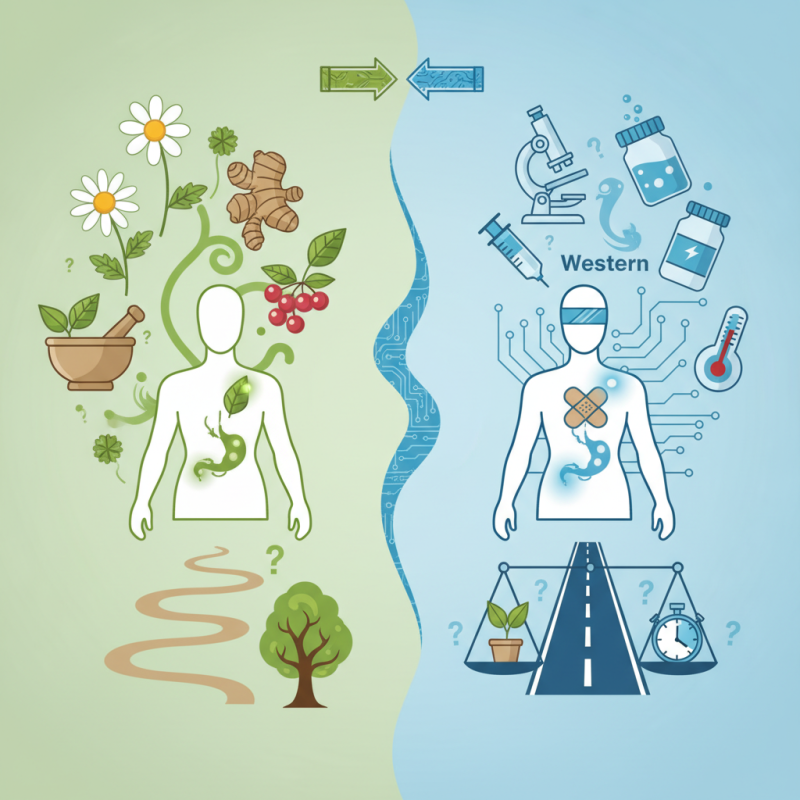
Herbal medicine has been utilized for centuries across various cultures. It involves the use of plants or plant extracts for therapeutic purposes. Practitioners believe these natural substances can promote health and treat illness. Many common practices include infusions, decoctions, and tinctures. Each method extracts the healing properties from herbs, making them potent remedies.
Some popular herbs include chamomile, ginger, and echinacea. Chamomile is often consumed as tea for relaxation. Ginger is hailed for its ability to ease nausea, while echinacea is believed to boost the immune system. However, scientific evidence supporting these claims can sometimes be limited or inconclusive. More studies are needed to determine their true effectiveness.
While herbal medicine offers a holistic approach, it also raises questions about safety and dosage. Not all herbs are suitable for everyone. They may interact with prescribed medications, leading to unwanted side effects. It’s crucial for individuals to consult healthcare professionals when considering herbal remedies. This ensures safe and informed choices aligned with personal health needs.
Western medicine, known for its scientific approach, relies on evidence-based practices. It emphasizes rigorous research and clinical trials to validate treatments. Health professionals undergo extensive training, gaining expertise essential for diagnosis and patient care. This thorough process ensures that treatments are effective and safe.
Key principles include diagnosis, treatment, and prevention. Western medicine often uses pharmaceuticals and surgical procedures. Each approach aims to directly target the underlying health issue. For instance, antibiotics treat bacterial infections by eradicating the pathogens. This specificity is advantageous but may overlook holistic aspects of health.
Despite its strengths, Western medicine is not without flaws. Side effects from medications can lead to further health concerns. Additionally, treatments may focus too narrowly on symptoms, neglecting emotional or social factors. This gap highlights the necessity for ongoing discussions around integrating holistic care. Balancing scientific advancement with a broader understanding of health is vital for future development.
| Aspect | Herbal Medicine | Western Medicine |
|---|---|---|
| Definition | Uses natural plant extracts | Uses synthetic drugs and surgery |
| Treatment Approach | Holistic and preventative | Symptomatic and targeted |
| Research Evidence | Limited clinical trials | Extensive clinical trials |
| Side Effects | Generally fewer | Potentially significant |
| Accessibility | Widely available, often over-the-counter | Requires prescriptions and professional guidance |
| Cost | Generally lower | Can be higher due to insurance and prescription costs |
The debate between herbal medicine and Western medicine has gained significant attention. Both systems offer unique approaches to health care. Herbal medicine relies on natural plants and compounds, while Western medicine focuses on synthetic drugs and procedures. Each has its strengths and weaknesses in treating various ailments.
Research shows that herbal treatments may be beneficial for conditions like chronic pain and digestive issues. A study found that ginger could effectively reduce inflammation. However, the lack of standardized dosages can raise concerns about efficacy. On the other hand, Western medicine excels in acute care and surgical interventions. It provides quick and precise solutions, particularly in emergencies.
Patients often grapple with choosing the right treatment path. Some may find that herbal remedies complement their Western treatments. Others might prefer the scientific basis of Western medicine. This indicates a growing need for integrative approaches. Effective health care could arise from bridging the gap between these two systems. More research is needed to validate the efficacy of herbal treatments fully.
Herbal medicine and Western medicine have unique benefits and risks. Herbal approaches often emphasize natural ingredients, which many find appealing.
Plants like ginger and turmeric are known for anti-inflammatory properties. Many use herbal remedies for minor ailments, believing they pose fewer side effects than pharmaceuticals.
However, the quality and concentration of herbal products can vary significantly. Without standardization, effectiveness may differ. Sometimes, certain herbs interact negatively with prescribed medications. The lack of rigorous testing raises questions about safety and dosage.
On the other hand, Western medicine relies on scientific research and clinical trials. This method ensures medications work effectively. Yet, the focus on quick solutions can lead to side effects. Some patients become reliant on medications rather than addressing root causes.
Choosing between these approaches requires careful consideration. Individuals must evaluate their health needs, the condition being treated, and potential risks. Consulting healthcare professionals is vital when deciding on treatment paths. In the end, balancing these practices can lead to better health outcomes.
Patients often face a dilemma between herbal medicine and Western medicine. Each has its advocates and critics. Many patients prefer herbal remedies, believing they are safer and more natural. They appreciate the holistic approach of herbal treatments. For some, these remedies offer a sense of control over their health.
On the other hand, Western medicine is valued for its scientific basis. Many patients feel reassured by evidence-based treatments and well-regulated medications. Frustration can arise when patients do not see immediate results from either approach. Preferences may shift based on personal experiences and cultural background.
Some individuals find it challenging to navigate the vast options available. Misconceptions about each method can also lead to an unclear choice. Patients often share stories about what worked for them or their family members. These narratives influence their decisions, though they may not always reflect broader effectiveness. Balancing personal beliefs with scientific evidence remains a complex and evolving conversation.
: Herbal medicine involves using plants or extracts for therapeutic purposes. It has been practiced for centuries.
Common practices include infusions, decoctions, and tinctures. Each method extracts healing properties from herbs.
Yes, popular herbs include chamomile, ginger, and echinacea. Each has its unique health benefits and uses.
Scientific evidence can be limited or inconclusive. More research is needed to confirm their effectiveness.
Certain herbs may interact with medications. Not all herbs are suitable for everyone, posing potential side effects.
Herbal medicine emphasizes natural ingredients, while Western medicine relies on scientific research and clinical trials.
Many believe herbal remedies are safer and more natural. They appreciate the holistic approach to health.
Patients may struggle with the vast options available. Misconceptions can complicate the decision-making process.
Individuals share stories about effective remedies. These narratives impact decisions but may not represent broader outcomes.
Evaluating health needs, conditions, and potential risks is vital. Consulting healthcare professionals can guide informed choices.
The article "Herbal Medicine Vs Western Medicine Which is More Effective?" provides a comprehensive exploration of the distinctions and similarities between both practices. It begins by defining herbal medicine and outlining common practices, emphasizing its roots in traditional use and natural remedies. In contrast, the overview of Western medicine reveals its basis in scientific research and clinical trials, focusing on evidence-based treatments.
The comparative analysis section delves into the efficacy of both approaches, discussing their potential risks and benefits. While herbal medicine may offer natural alternatives and fewer side effects, Western medicine is often preferred for its rigorous scientific backing. The article concludes with insights into patient perspectives, highlighting how individual preferences and treatment outcomes play a significant role in the Herbal Medicine Vs Western Medicine Comparison, ultimately influencing patients' choices in their healthcare journeys.
