 BX Medicine
BX Medicine
BX Medicine
Interest in herbal cleansing continues to grow, yet the word “detox” can promise more than science can prove. Herbal Medicine For Detox And Cleansing should therefore begin with evidence, not dramatic claims. The World Health Organization’s Global Report on Traditional and Complementary Medicine 2019 reported that 170 of 194 Member States acknowledged using traditional medicine. That figure shows broad cultural use, not proof that every remedy works.
Evidence remains uneven. The U.S. National Center for Complementary and Integrative Health states that detox diets have limited clinical evidence and may create risks, including nutrient deficiencies and dehydration. The U.S. Food and Drug Administration also explains that supplements are not approved for safety and effectiveness before marketing. “Natural” does not always mean harmless. Herbal products may interact with medicines, affect blood pressure, or place stress on the liver and kidneys.
This guide explores seven practical cleansing tips with a cautious, health-focused approach. It considers hydration, balanced meals, label reading, preparation quality, and professional guidance. It also discusses commonly used herbs without presenting them as cures. A warm cup of tea, a glass bottle beside your desk, and a simpler meal can support healthier routines. They cannot replace medical treatment.
Some recommendations remain uncertain. That matters. Readers with liver disease, kidney problems, pregnancy, or regular prescriptions should consult a qualified healthcare professional before using herbal products. Reliable choices require transparent ingredients, realistic expectations, and attention to personal symptoms. The goal is not to “flush” the body overnight, but to build safer habits while respecting what current research can—and cannot—confirm.
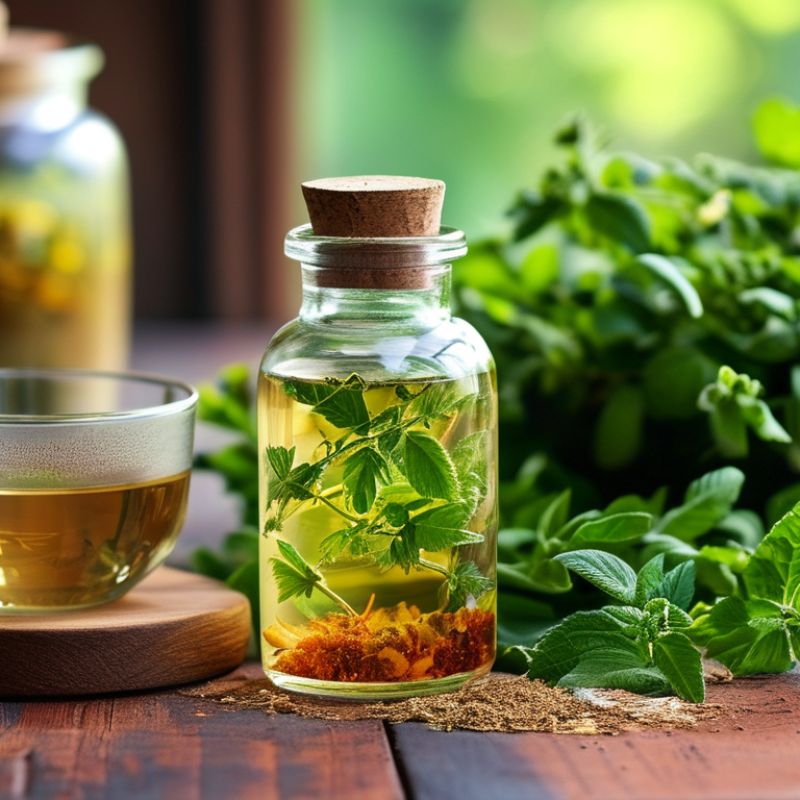
7 Herbal Medicine Detox And Cleansing Tips
What Herbal Detox and Cleansing Means in Evidence-Based Terms
“Detox” is often used loosely. Your liver, kidneys, lungs, and digestive tract already remove many waste products. Evidence does not show that short herbal cleanses remove unspecified toxins from healthy bodies. Some herbs may support digestion or bowel regularity, but their effects are limited and specific.
Choose a clear purpose. Tip one: identify the symptom, such as occasional bloating. Tip two: check the evidence for that herb. Tip three: use the smallest effective amount. Tip four: read the full ingredient list. Tip five: avoid combining several products. More is not better. Tip six: drink water and eat regular meals. Tip seven: stop if discomfort appears.
A registered healthcare professional can review allergies, pregnancy, liver conditions, and medicines. Some herbs may change blood pressure, blood sugar, bleeding risk, or drug levels. “Natural” does not mean harmless. Product quality can also vary, especially when testing and labeling are incomplete.
A practical approach is less dramatic. Record what you take, the dose, and any changes in sleep, stool, pain, or skin. Reassess after a short period. If symptoms persist, seek medical advice instead of extending the cleanse. I would not treat every mild reaction as proof that toxins are leaving. That belief sounds convincing, but it may hide a side effect.
| Tip | Herbal or Lifestyle Approach | What “Detox” Means in Evidence-Based Terms | Evidence Status | Potential Benefits | Key Safety Considerations |
|---|---|---|---|---|---|
| 1Support normal elimination | Drink adequate fluids according to thirst, climate, activity level, and medical advice. Eat fiber-rich foods such as vegetables, fruit, beans, and whole grains. | The kidneys, liver, intestines, lungs, and skin already perform the body’s normal waste-processing and elimination functions. “Cleansing” is not a separate process that has been shown to remove unspecified toxins. | Well supported | Hydration supports normal kidney function, while dietary fiber supports regular bowel movements and healthy gut function. | People with kidney, heart, or liver disease may need individualized fluid guidance. Increase fiber gradually and drink enough fluid to reduce constipation risk. |
| 2Use psyllium for bowel regularity when appropriate | Psyllium is a soluble fiber derived from the husk of Plantago ovata. It can be used with sufficient water for occasional constipation or to increase dietary fiber. | Psyllium does not “pull toxins” from the body. Its evidence-based role is stool-bulking and support for regular bowel movements. | Moderate to strong | May improve stool frequency and consistency; soluble fiber may also contribute to improved cholesterol levels as part of an appropriate diet. | Take with plenty of water. Separate it from some medicines because fiber may affect absorption. Avoid use if there is difficulty swallowing or suspected intestinal obstruction. |
| 3Consider ginger for digestive symptoms | Ginger preparations may be used for nausea and some digestive discomfort rather than as a general-purpose detox treatment. | Ginger may influence gastrointestinal motility and nausea pathways, but there is no reliable evidence that it detoxifies the liver, blood, or whole body. | Moderate for nausea | May reduce some types of nausea, including nausea associated with pregnancy when medically appropriate. | Possible heartburn, stomach discomfort, or mouth irritation. Use caution with bleeding disorders, anticoagulant medicines, gallstone disease, or before surgery. |
| 4Use peppermint for selected digestive discomfort | Peppermint tea is commonly used as a beverage; enteric-coated peppermint oil has been studied for some symptoms of irritable bowel syndrome. | Peppermint may relax intestinal smooth muscle in certain situations, but it is not proven to cleanse the liver or remove environmental toxins. | Limited to moderate | Enteric-coated peppermint oil may help some adults with abdominal pain, bloating, or bowel discomfort related to irritable bowel syndrome. | May worsen reflux or heartburn. Peppermint oil products are not interchangeable with tea and should be used according to product directions and professional advice. |
| 5Treat milk thistle claims cautiously | Milk thistle contains silymarin and is often marketed for liver cleansing or liver protection. | Laboratory findings and small clinical studies do not establish that milk thistle detoxifies a healthy liver or reverses liver disease. Evidence for many liver-related uses remains inconclusive. | Inconclusive | It may be tolerated by many adults, but a dependable clinical benefit for routine “detox” use has not been established. | May cause gastrointestinal symptoms or allergic reactions. People with liver disease, pregnancy, or regular medicines should consult a healthcare professional before use. |
| 6Avoid routine senna “cleanse” programs | Senna is a stimulant laxative intended for short-term relief of occasional constipation, not for routine detox diets or weight-loss programs. | Frequent bowel movements after senna represent increased intestinal movement, not removal of stored toxins or body fat. | Not supported for detox | May provide short-term relief from occasional constipation when used as directed. | Overuse may cause abdominal cramps, diarrhea, dehydration, and electrolyte disturbances. Long-term or repeated use should be medically supervised, especially in children, older adults, or people with chronic illness. |
| 7Be cautious with multi-herb detox blends | Avoid products containing numerous herbs, undisclosed quantities, or strong laxative and diuretic ingredients. Review all supplements with a qualified healthcare professional. | “Natural” does not automatically mean safe or effective. Multi-ingredient blends can have uncertain doses, medicine interactions, contamination risks, and limited clinical evidence. | Insufficient evidence | A carefully selected single ingredient may have a specific, evidence-based use; broad detox claims for blends are not reliably demonstrated. | Do not use detox products to replace treatment for poisoning, liver disease, kidney disease, or substance exposure. Seek urgent medical help for suspected poisoning or severe symptoms. |
Evidence-based takeaway: The body’s liver, kidneys, gastrointestinal tract, lungs, and immune system carry out normal detoxification. Herbal products may have narrowly defined uses, but no general herbal cleanse has been reliably shown to remove unspecified toxins from healthy people.
No. Natural products may cause dehydration, diarrhea, medicine interactions, or liver injury. Keep that in mind.
Read the label carefully. Record each herb, dose, serving frequency, plant part, and expiration date. Check the exact ingredients.
Speak with a qualified healthcare professional if you take regular medicine. Extra caution matters during pregnancy, breastfeeding, childhood, or liver and kidney disease.
Yes. Possible interactions include blood thinners, diabetes medicine, sedatives, blood-pressure treatment, and diuretics. Share your complete list with a pharmacist or clinician.
Define the goal first. Peppermint or ginger may suit occasional digestive discomfort. Senna supports bowel movements, not general detoxification. It may cause cramps.
Look for the exact plant name, plant part, serving size, and expiration date. Independent testing may check heavy metals, microbes, and hidden ingredients. It cannot guarantee safety.
Store them away from heat, sunlight, and kitchen moisture. Use a consistent measuring method. Measuring loose herbs by eye can create uneven doses.
Stop and seek medical advice for yellow skin, dark urine, severe vomiting, faintness, chest discomfort, confusion, rash, or unusual bleeding. Do not combine many formulas casually. More ingredients make problems harder to trace.
Herbal Medicine For Detox And Cleansing should be approached as a supportive wellness practice, not a guaranteed way to remove toxins or replace medical treatment. Evidence-based cleansing focuses on the body’s natural liver, kidney, digestive, and circulatory functions, while recognizing that research on many herbal products is limited. Before beginning, review your health history, medications, allergies, pregnancy status, and any existing conditions with a qualified healthcare professional. Choose herbs according to a clear purpose, use reputable, clearly labeled products, and avoid combining multiple formulas without guidance.
For a safer routine, start with one change at a time, follow conservative directions, stay hydrated, maintain balanced meals, and support sleep and regular movement. Keep a simple record of what you use and how you feel, including digestion, energy, skin changes, and possible side effects. Stop immediately and seek medical advice if you experience severe stomach pain, persistent vomiting, rash, breathing difficulty, unusual bleeding, jaundice, or worsening symptoms. A gradual, informed approach is safer than aggressive cleansing plans.
