2026 Best Herbal Medicine for Wellness Routines?

Time:2026-10-08 Author:Ethan
0%

Choosing the best Herbal Medicine For Wellness Routines in 2026 requires curiosity, evidence, and realistic expectations. “Herbs are medicines, and they need to be treated with the same respect as pharmaceutical drugs,” says Dr. Tieraona Low Dog, a physician and recognized expert in integrative medicine. Her observation is important because a natural label does not guarantee safety, quality, or suitability.

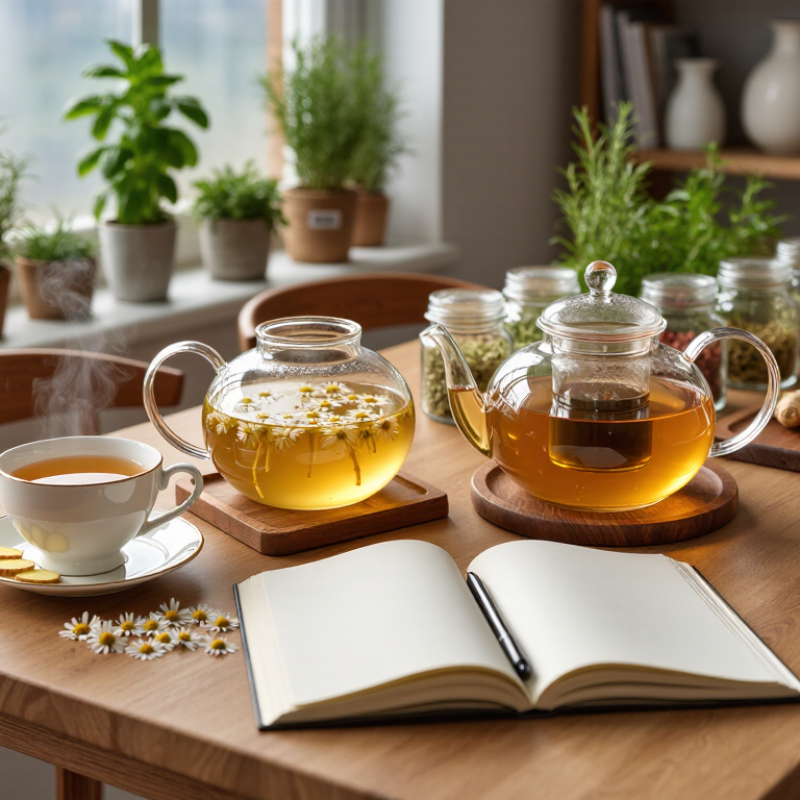
A thoughtful routine might include a calming evening tea, such as chamomile, or ginger used traditionally for digestive comfort. Picture a warm cup beside a notebook, with the time, amount, and physical response recorded. Small details matter. They reveal patterns. However, herbs can interact with medicines, pregnancy, allergies, or existing conditions. A qualified healthcare professional should review personal risks before regular use. Product testing also matters, since strength and purity can vary between brands.

The strongest wellness plan is not the most complicated one. It is consistent, measured, and flexible. Start slowly. Notice changes. Reconsider assumptions. Even commonly used herbs may cause discomfort or fail to suit an individual body. This guide will compare practical options for Herbal Medicine For Wellness Routines, considering traditional use, emerging research, preparation methods, and responsible sourcing. It will not promise cures. Instead, it will help readers ask better questions and build safer habits. Some evidence remains limited, and that uncertainty deserves honest attention. Wellness is personal, but good decisions should still be informed, documented, and professionally supported.
2026 Best Herbal Medicine for Wellness Routines?

Defining Herbal Medicine in 2026 Wellness Routines

Defining herbal medicine in 2026 wellness routines means using plants with clear purpose, not chasing a “best” remedy. Herbal medicine includes preparations made from leaves, roots, flowers, seeds, or bark. These may appear as teas, powders, capsules, or topical products. The World Health Organization’s global report found that 170 of 194 member states reported using traditional medicine. That scale shows cultural relevance, not automatic proof of effectiveness.

A responsible routine begins with evidence and personal context. For example, someone might drink a mild herbal tea after dinner for a calming ritual. Another person may use a standardized preparation only after discussing it with a qualified clinician. The National Institutes of Health notes that herbal products can interact with medicines, and research quality differs widely. “Natural” is not a safety guarantee. Dosage, contamination, allergies, pregnancy, and liver health all matter. My own wellness routine would still need adjustment. Tracking sleep or digestion sounds useful, but daily notes can become selective and misleading.

Tips: Choose one product at a time. Check its botanical name, dosage, testing information, and possible interactions. Avoid replacing prescribed treatment with herbs. Pause if symptoms worsen. A healthcare professional can review the full routine, including medicines, supplements, caffeine, and alcohol. Small steps work better than dramatic promises.

Herbal medicine is one part of traditional and complementary medicine. The data show its global policy and usage context, not proof that every herb is effective or appropriate for every person. Wellness routines should consider product quality, dosage, medication interactions, pregnancy, and professional medical advice.

Source: World Health Organization, Global Report on Traditional and Complementary Medicine 2019. Figures represent WHO Member States reporting each condition out of 194 Member States.

Key Herbs and Their Traditional Wellness Uses

2026 Best Herbal Medicine for Wellness Routines?

Herbal routines work best when treated as supportive habits, not guaranteed treatments. The World Health Organization reported that 88% of Member States use traditional medicine in some form. That figure shows cultural reach, not proof of equal effectiveness. Traditional uses still deserve careful attention.

Ginger tea may suit a cold morning or an unsettled stomach. Chamomile is commonly used in evening routines for gentle relaxation. Peppermint can bring a fresh, cooling sensation after meals. Turmeric is widely used in cooking and traditional wellness practices. Keep the serving modest. More is not automatically better.

The American Botanical Council’s HerbalGram market report estimated U.S. herbal supplement sales at about 12.6 billion dollars in 2023. Market growth does not confirm product quality or personal suitability. Preparation, dose, contamination, and interactions can vary. I have found that simple tea routines are easier to track than several capsules. That may be personal bias.

People taking medication, preparing for surgery, or managing pregnancy should ask a qualified healthcare professional before using concentrated herbs. Labels can look reassuring. Evidence may still be incomplete.

How to Choose Herbal Products Safely and Responsibly

2026 Best Herbal Medicine for Wellness Routines?

Choosing herbal products safely requires more than trusting natural-sounding language. A responsible choice begins with a clear purpose, such as supporting sleep, digestion, or daily relaxation. “Natural” does not always mean gentle. Herbal ingredients can interact with medicines, especially blood thinners, sedatives, and treatments for diabetes.

Read the full label before buying. Check the plant name, plant part, serving size, added ingredients, expiration date, and manufacturer contact details. Look for independent quality testing when available. Testing may help identify contamination, incorrect ingredients, or inconsistent strength. Still, no label removes every risk. Product quality can vary between batches.

Ask a pharmacist or qualified healthcare professional about possible interactions. This matters more during pregnancy, breastfeeding, surgery preparation, or treatment for a chronic condition. Keep a simple record of the product, dose, and any changes in sleep, digestion, skin, or mood. Stop using it and seek medical advice after unusual symptoms, such as swelling, severe dizziness, or breathing difficulty.

Start cautiously. Avoid combining several new herbs at once, because it becomes difficult to identify the cause of a reaction. I once thought a detailed label meant a dependable product, but labels can still leave important questions unanswered. That small doubt is useful. It encourages better checking, not careless confidence.

Integrating Herbal Remedies into Daily Wellness Practices

2026 Best Herbal Medicine for Wellness Routines?

Integrating herbal remedies into daily wellness practices works best when the routine stays simple. Ginger tea may support comfortable digestion after a heavy meal. Peppermint can feel refreshing, especially after lunch. Chamomile is often chosen for a quiet evening ritual.

These herbs are not universal cures. Evidence varies, and personal responses can differ. Treat herbal products as supportive options, not replacements for medical care.

A practical routine might begin with one herb, one purpose, and a measured serving. Read the label carefully, including the plant part and suggested amount. Choose products with clear testing information and avoid exaggerated promises.

Herbal supplements can interact with medicines, including blood thinners and sedatives. People who are pregnant, nursing, or managing liver or kidney conditions should ask a qualified healthcare professional first. More natural does not always mean safer. That is easy to forget.

Tips:

Keep a small wellness journal. Record the herb, timing, amount, and any changes you notice. Start slowly. Do not combine several new products at once.

A warm cup, steady breathing, and five quiet minutes may matter as much as the herb. Routines can be imperfect. Missing a day is not failure.

Stop using an herb if unusual symptoms appear, and seek professional advice when needed.

Evidence, Quality Standards, and Possible Health Risks

Herbal wellness routines can support comfort, but evidence remains uneven. The World Health Organization’s 2019 Global Report found that 170 of 194 member states reported using traditional medicine. Widespread use does not prove safety or effectiveness. Clinical evidence depends on the exact plant, dose, preparation, and health condition. “Natural” is not a safety guarantee.

Quality control matters. The U.S. National Institutes of Health reports that herbal products may vary in strength, purity, and labeling accuracy. Contamination, substituted ingredients, and undeclared substances can create serious risks. Some herbs may affect blood pressure, bleeding, liver function, or prescription medicines. Pregnant people, children, older adults, and people with kidney or liver disease need extra caution. I would not treat a clean-looking package as proof of quality. That assumption is too easy.

Tips:

  • Check the botanical name, plant part, dosage, batch testing, and expiry date.
  • Prefer products with independent quality verification and transparent certificates.
  • Ask a pharmacist before combining herbs with medicines.
  • Stop after unusual bruising, rash, dark urine, or persistent nausea.
  • Keep a simple record of timing and symptoms. It may reveal problems earlier.
  • Evidence-based care is still imperfect, but guessing is usually worse.

FAQS

What does herbal medicine mean in a 2026 wellness routine?

It means using leaves, roots, flowers, seeds, or bark for a clear purpose. Products may include teas, powders, capsules, or topical preparations. It is not automatically safer because it comes from plants.

How should someone begin using an herbal product?

Choose one herb, one purpose, and one measured serving. Check the botanical name, plant part, dosage, expiry date, and testing information. Start slowly.

Can herbal products replace prescribed medical treatment?

No. Herbal products should support comfort, not replace prescribed care. Discuss the complete routine with a qualified healthcare professional before making changes.

Which simple herbal routines might support everyday comfort?

Ginger tea may feel soothing after a heavy meal. Peppermint can feel refreshing after lunch. Chamomile may suit a quiet evening ritual. Personal responses vary.

Can herbs interact with medicines?

Yes. Some herbs may affect bleeding, blood pressure, liver function, or sedative medicines. Ask a pharmacist before combining herbs with medicines or supplements.

Who should use extra caution with herbal products?

Pregnant or nursing people, children, older adults, and people with kidney or liver conditions need extra care. Professional advice is important before use.

How can someone judge an herbal product’s quality?

Look for clear labeling, batch testing, transparent certificates, and independent quality verification. A clean package proves little. That assumption is easy to make.

What should someone record during an herbal routine?

Note the herb, amount, timing, sleep, digestion, and unusual symptoms. A small notebook can help. Still, daily notes may become selective or misleading.

When should someone stop using an herbal product?

Stop if unusual bruising, rash, dark urine, persistent nausea, or worsening symptoms appear. Seek professional advice promptly. Do not simply wait it out.

Conclusion

Herbal Medicine For Wellness Routines refers to the thoughtful use of plant-based preparations as part of everyday self-care, alongside balanced nutrition, regular movement, restful sleep, and stress management. In 2026, common herbs may be selected for traditional wellness purposes such as relaxation, digestive comfort, seasonal support, or general vitality. Their role should be understood as supportive rather than a replacement for professional medical treatment.

Choosing herbal products safely requires attention to ingredient transparency, quality testing, clear directions, proper storage, and responsible sourcing. Individuals should consider possible allergies, medication interactions, pregnancy, chronic conditions, and age-related concerns before use, consulting a qualified healthcare professional when appropriate. Herbal practices can be integrated gradually through teas, culinary herbs, or carefully measured preparations, while keeping track of personal responses. Reliable evidence and consistent quality standards remain important, since natural products can still cause side effects or vary in strength. A cautious, informed approach helps make herbal wellness routines practical, personal, and responsible.

Ethan

Ethan

Ethan is a seasoned marketing professional with a deep expertise in our company's innovative product line. With a passion for sharing knowledge and insights, he takes the lead in regularly updating our corporate blog, where he explores industry trends, product features, and effective marketing......