2026 Best Types of Herbal Medicine for Natural Healing

Time:2026-10-03 Author:Aria
0%

Herbal Medicine For Natural Healing continues to attract readers seeking gentler, plant-based wellness options in 2026. Yet “natural” does not automatically mean harmless. Dr. Tieraona Low Dog, a respected physician and herbal-medicine educator, often reminds audiences, “Natural does not always mean safe.” That warning deserves attention.

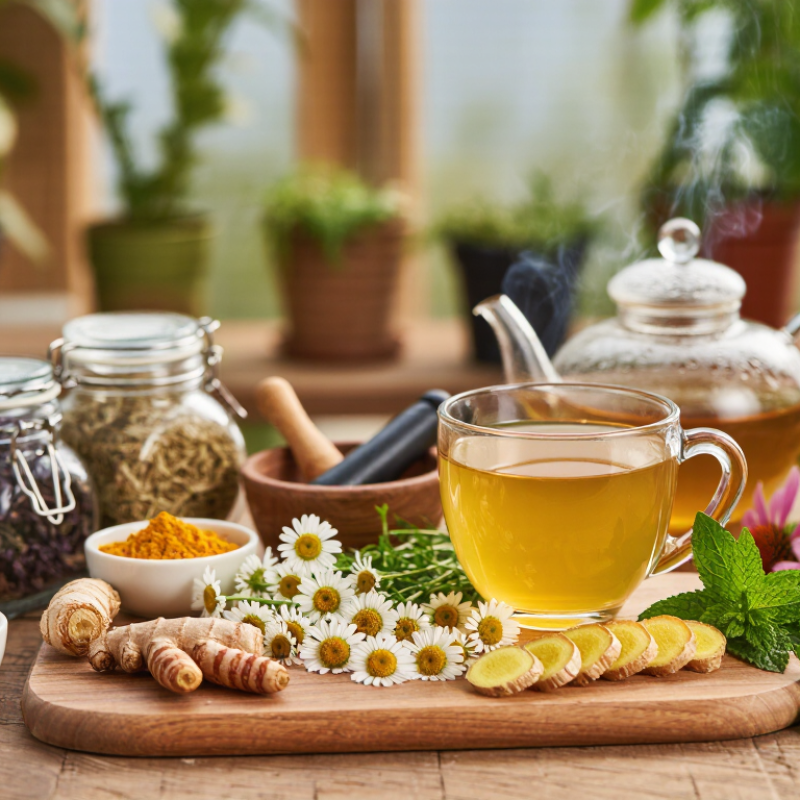
This guide explores popular herbal medicine types, including ginger, turmeric, chamomile, peppermint, and echinacea. Each plant has different traditional uses, active compounds, preparation methods, and safety concerns. Ginger tea may comfort an unsettled stomach, while chamomile’s warm, apple-like aroma can support a relaxing bedtime routine. Small details matter. Dose matters too.

Evidence remains uneven. Some herbs have promising research, while others rely mainly on tradition or limited studies. That gap should encourage curiosity, not careless confidence. Herbal products may interact with medicines, affect pregnancy, or worsen existing conditions. Quality can also vary between brands, extracts, and dried preparations. A licensed healthcare professional or qualified herbal practitioner can help assess these risks.

This article uses practical experience, current research, and trusted health guidance to compare the best options for natural healing. It does not promise instant cures. No responsible guide can. Instead, it offers a careful starting point for informed decisions, realistic expectations, and safer daily use. Readers should question impressive claims, check product labels, and notice how their bodies respond. Healing is personal. Sometimes, it is slower than expected. That imperfection matters.
2026 Best Types of Herbal Medicine for Natural Healing

What Herbal Medicine Is and How It Supports Natural Healing

Herbal medicine uses leaves, roots, flowers, seeds, or bark to support the body’s natural processes. Some herbs may ease mild digestive discomfort, support relaxation, or soothe irritated skin. Their effects come from active plant compounds, not from the idea that “natural” always means harmless. Chamomile may encourage calm, while ginger can help some people manage occasional nausea. Results differ between individuals. Herbal care supports healing, but it does not replace diagnosis or urgent medical treatment.

Tips: Choose clearly identified herbs from reliable sources. Check the Latin plant name and preparation method. Keep a simple record of your dose and any changes. Start cautiously. Ask a qualified healthcare professional before using herbs during pregnancy, surgery preparation, or long-term treatment.

Evidence also varies widely. Some traditional uses have growing research, while others remain uncertain. A common mistake is treating personal success as scientific proof. I have learned that careful observation matters, but it can still mislead. Herbal products may interact with medicines for blood pressure, blood clotting, diabetes, or sleep. Children and older adults may need extra caution. Stop use if unusual symptoms appear, and seek professional advice rather than increasing the dose. Fresh plants can look similar, yet one wrong identification may create serious risks.

Major Types of Herbal Remedies and Their Traditional Uses

2026 Best Types of Herbal Medicine for Natural Healing

Major Types of Herbal Remedies and Their Traditional Uses

Herbal remedies are not one thing. They include infusions, decoctions, tinctures, powders, and topical preparations. An infusion suits delicate leaves, such as peppermint or chamomile. A decoction uses simmered roots or bark, such as ginger or cinnamon. These formats reflect traditional practice, not automatic proof of effectiveness. WHO’s 2019 Global Report on Traditional and Complementary Medicine records use across 170 of 194 member states. This scale matters. It also shows why quality standards matter.

Traditional uses vary by culture and preparation. Ginger is commonly prepared as tea for digestive discomfort and nausea. Chamomile tea is traditionally used before sleep. Peppermint may ease minor digestive cramping for some adults. Turmeric has long appeared in food and traditional wellness practices. Clinical evidence is mixed. The NCCIH summary of the 2022 National Health Interview Survey reports that 38.3% of U.S. adults used at least one complementary health approach during the previous year. NCCIH also warns that herbal products can interact with medicines and differ in strength. Contamination and incorrect plant identification remain real risks. I would check the Latin plant name, dose, testing, and contraindications before use. Pregnancy, surgery, liver disease, and childhood require professional advice. My own weak point is assuming “natural” means gentle. It does not.

2026 Best Types of Herbal Medicine for Natural Healing - Major Types of Herbal Remedies and Their Traditional Uses

Herbal Medicine Plant Part Commonly Used Traditional Uses Common Preparations Key Traditional Properties Important Safety Considerations
Ginger Zingiber officinale Rhizome Traditionally used for occasional nausea, digestive discomfort, colds, and warming herbal drinks. Tea Fresh root Powder Extract Warming, digestive, aromatic, and traditionally anti-inflammatory. May cause heartburn or stomach upset. People taking blood-thinning medicine or preparing for surgery should seek professional advice.
Turmeric Curcuma longa Rhizome Used traditionally in South Asian systems for joint comfort, digestive support, and general wellness. Culinary spice Tea Powder Extract Traditionally valued for its vibrant color, digestive qualities, and soothing properties. Concentrated products may interact with anticoagulants and may aggravate gallbladder problems. Supplement safety during pregnancy requires professional guidance.
Peppermint Mentha × piperita Leaves and essential oil Traditionally used for indigestion, abdominal cramping, headache comfort, and refreshing respiratory preparations. Leaf tea Enteric-coated oil Topical preparation Cooling, aromatic, carminative, and traditionally antispasmodic. May worsen reflux or heartburn. Undiluted essential oil should not be swallowed and should be kept away from young children.
Chamomile Matricaria chamomilla Flower heads Traditionally used as a calming tea and for occasional digestive discomfort and minor skin soothing. Tea Infusion Compress Topical cream Calming, aromatic, gentle digestive, and traditionally soothing. People allergic to ragweed, daisies, or related plants may react. Possible interactions exist with sedatives and blood-thinning medicines.
Echinacea Echinacea purpurea Roots and aerial parts Traditionally used in preparations for seasonal respiratory discomfort and immune-system support. Tea Tincture Capsule Liquid extract Traditionally regarded as immune-supportive and mildly soothing for the throat. May cause allergic reactions, especially in people sensitive to daisy-family plants. Seek medical advice when taking immune-suppressing medicines.
Valerian Valeriana officinalis Root and rhizome Traditionally used to promote relaxation and support occasional difficulty falling asleep. Tea Tincture Capsule Extract Relaxing, mildly sedating, and traditionally used as a nighttime herb. May cause drowsiness, vivid dreams, or headache. Do not combine with alcohol or sedative medicines, and avoid driving after use.
Garlic Allium sativum Bulb and cloves Traditionally used as a food-based tonic and for cardiovascular and respiratory wellness. Fresh food Aged preparation Powder Extract Warming, pungent, antimicrobial in traditional use, and supportive as a culinary herb. Can cause digestive irritation and may increase bleeding risk, particularly in concentrated forms or with anticoagulants.
Milk Thistle Silybum marianum Seeds Traditionally used to support digestion and liver-related wellness. Seed powder Tea Standardized extract Traditionally regarded as bitter, digestive, and liver-supportive. May cause bloating or diarrhea. People with allergies to plants in the daisy family should use caution; possible medicine interactions should be reviewed.
Aloe Vera Aloe barbadensis Inner leaf gel; leaf latex is distinct Clear inner gel is traditionally applied to minor skin irritation and used in some digestive preparations. Topical gel Processed juice Cooling, moisturizing, and traditionally soothing when used topically. Whole-leaf or latex products can cause diarrhea and electrolyte loss. Avoid unprocessed oral latex; use caution during pregnancy and with kidney or heart conditions.
Asian Ginseng Panax ginseng Root Traditionally used as a restorative tonic for energy, stamina, and general vitality. Tea Sliced root Capsule Extract Traditionally considered stimulating, restorative, and adaptogenic. May cause insomnia, headache, or digestive upset. People with diabetes or those taking anticoagulants, stimulants, or certain medicines should seek professional advice.
Safety note: Traditional use does not prove that an herbal remedy can prevent, diagnose, or treat disease. Herbal products can vary in strength and may interact with medicines. Consult a qualified healthcare professional before use, especially during pregnancy, breastfeeding, childhood, chronic illness, or before surgery.

Choosing Herbs by Health Goal, Preparation Method, and Quality

Choosing herbs by health goal is safer than chasing a popular remedy. For occasional digestive discomfort, peppermint tea may feel gentle and familiar. For evening relaxation, lemon balm or chamomile can suit some adults. Goals should stay specific, such as supporting sleep or easing mild tension. Herbs are not universal cures. Individual responses vary.

Preparation changes the experience. Tea works well for soft leaves and flowers, while simmering suits tougher roots. Tinctures are concentrated, so careful measuring matters. Capsules offer convenience but hide taste and strength. Topical preparations belong on intact skin unless a qualified professional advises otherwise. Follow the label, and ask a pharmacist about interactions with medicines, pregnancy, allergies, or chronic conditions.

Quality deserves equal attention. Choose products with clear plant names, plant parts, dosage guidance, batch information, and independent testing. Freshness matters; a stale herbal powder may smell flat or show moisture. Avoid vague blends that promise rapid healing. A useful habit is keeping a simple record of the herb, amount, preparation, and physical response. I may expect a tea to help quickly, yet the effect can be subtle or absent. That uncertainty deserves honesty. Stop using an herb if unusual symptoms appear, and seek qualified medical advice when symptoms persist or worsen.

Safety Guidelines, Possible Risks, and Herb–Medicine Interactions

2026 Best Types of Herbal Medicine for Natural Healing

Herbal products can support comfort, but “natural” does not mean harmless. The WHO Global Report on Traditional and Complementary Medicine 2019 found that 88% of member states recognized traditional medicine use. Safety systems still differ widely. Product strength may vary between batches. Contamination and incorrect labeling remain practical concerns.

Possible risks include liver injury, bleeding, low blood pressure, and allergic reactions. St John’s wort can reduce the effects of some contraceptives, anticoagulants, transplant medicines, and antidepressants. Ginkgo and concentrated garlic may increase bleeding risk with anticoagulants. Kava has been linked with serious liver concerns. The NIH LiverTox database documents liver injury reports involving several herbal products. Evidence is uneven. That limitation matters.

Tips: Bring every herb, tea, and supplement to a pharmacist or clinician. Check the Latin plant name, dose, extraction method, and third-party testing. Avoid starting new herbs before surgery. Ask specifically about pregnancy, breastfeeding, liver disease, kidney disease, and blood-thinning medicines. Keep a simple record: product, dose, start date, and symptoms. Stop and seek medical advice for yellow skin, dark urine, unusual bleeding, severe rash, or persistent vomiting. A careful label check can still miss an interaction, so professional review remains the safer step.

How to Build a Responsible Herbal Wellness Routine in 2026

2026 Best Types of Herbal Medicine for Natural Healing

How to Build a Responsible Herbal Wellness Routine in 2026

Herbal medicine may support everyday wellness, but it should not replace medical treatment. A practical routine begins with one clear goal, such as easing occasional digestive discomfort or improving bedtime relaxation. Ginger tea may suit mild nausea, while peppermint can feel soothing after meals. Chamomile may support a calming evening ritual. Evidence varies, so avoid treating traditional use as proof of a cure.

Tips: Start with one herb at a time. Choose clearly labeled products with botanical names, plant parts, dosage guidance, and batch testing. Keep a simple journal. Record the herb, amount, timing, and any changes in sleep, digestion, skin, or mood. Small steps matter.

Ask a qualified healthcare professional before using herbs with prescription medicines, pregnancy, breastfeeding, liver disease, kidney disease, or upcoming surgery. Some herbs can affect blood pressure, blood clotting, sedation, or medication levels. “Natural” does not always mean gentle. Do not apply essential oils directly to damaged skin, and never give adult herbal products to children without professional advice. I would also question routines that promise instant transformation; progress is usually quieter, and personal reactions can be unpredictable. A pharmacist, registered herbal practitioner, or medical clinician can help review safety and realistic expectations.

FAQS

How should I choose an herb for a specific goal?

Match the herb to one clear goal, such as mild digestive discomfort or evening relaxation. Avoid choosing popular remedies without checking suitability. Results vary.

Which preparation method is suitable for different herbs?

Tea suits soft leaves and flowers. Simmering works better for tougher roots. Tinctures are concentrated, so measure carefully. Capsules hide taste and strength.

Can topical herbal products be used anywhere on the body?

Apply them only to intact skin unless a qualified professional advises otherwise. Avoid broken or irritated areas. Stop promptly if unusual symptoms appear.

What quality details should I check before buying an herbal product?

Look for the plant name, plant part, dosage, batch information, and independent testing. Avoid vague blends promising rapid healing. Clear labeling matters.

Does “natural” mean an herb is harmless?

No. Natural products may cause allergic reactions, bleeding, low blood pressure, or liver injury. Product strength can vary between batches.

Can herbs interact with medicines?

Yes. Some herbs may affect contraceptives, blood-thinning medicines, antidepressants, or transplant treatments. Ask a pharmacist before combining them. Guessing is risky.

What should I ask before using an herb during pregnancy or illness?

Ask about pregnancy, breastfeeding, liver disease, kidney disease, allergies, and chronic conditions. Also mention any planned surgery. Details can change the advice.

What information should I record while using an herb?

Record the product, dose, preparation method, start date, and physical response. A small notebook helps. I might expect quick results, but effects can be subtle or absent.

When should I stop using an herb and seek medical advice?

Stop for yellow skin, dark urine, unusual bleeding, severe rash, persistent vomiting, or worsening symptoms. Seek qualified medical advice. Do not wait too long.

Conclusion

Herbal Medicine For Natural Healing explores how plant-based remedies have traditionally been used to support overall wellness, relaxation, digestion, immune balance, and everyday self-care. It explains the basic principles of herbal medicine, introduces major categories of herbs and their traditional purposes, and compares common preparation methods such as teas, infusions, powders, capsules, and topical applications. The article also emphasizes that herbs should be selected according to personal health goals, preparation needs, quality standards, and individual tolerance.

A responsible approach includes checking ingredient identity, sourcing, dosage instructions, and storage conditions while avoiding exaggerated health claims. Readers are encouraged to consider possible allergies, side effects, pregnancy-related concerns, existing health conditions, and interactions between herbs and prescription or over-the-counter medicines. By starting gradually, keeping wellness choices practical, and consulting a qualified healthcare professional when needed, people can build a safer and more informed herbal wellness routine in 2026.

Aria

Aria

Aria is a dedicated marketing professional with a deep passion for innovative strategies and a keen understanding of our company's product offerings. With a wealth of experience in the industry, Aria excels at crafting engaging content that highlights the unique features and benefits of our......